


Soft snacks for elderly adults may include yogurt, cottage cheese, ripe fruit, applesauce, avocado, soft eggs, oatmeal, and tender finger foods. The best choice is moist, manageable to chew, enjoyable to eat, and suited to the person’s dietary needs.
“Soft” does not always mean safe for every person. Someone with a diagnosed swallowing problem may need a specific texture recommended by a healthcare professional.
Soft Snack Ideas at a Glance
Use this table to find options based on preparation time, eating method, and the type of food the snack provides.
| Snack Type | Possible Options | Preparation | Eating Method | What to Check |
| Spoonable | Yogurt, applesauce, cottage cheese, ricotta, pudding | None or very little | Spoon | Thickness, lumps, added sugar, dietary restrictions |
| Soft fruit | Ripe banana, avocado, canned peaches, cooked pear | None or light preparation | Spoon or fingers | Peels, pits, seeds, firmness |
| Protein-containing | Soft scrambled egg, yogurt, cottage cheese, silken tofu | Light preparation | Spoon or fork | Moisture, seasoning, allergies |
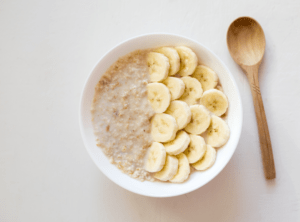
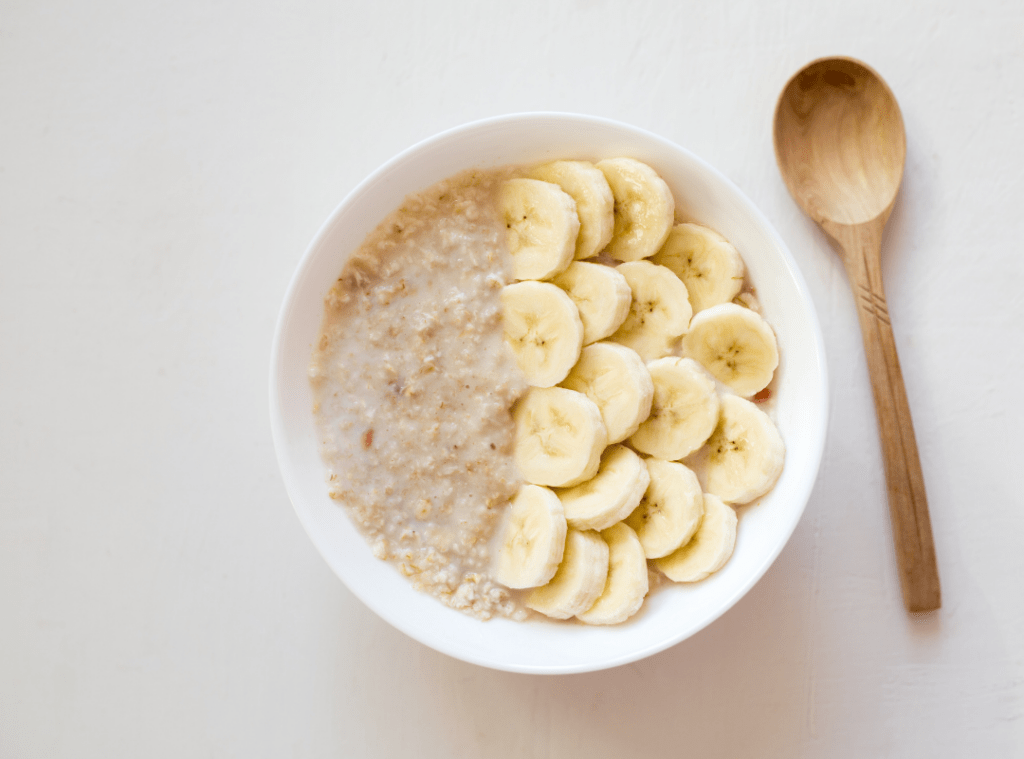
| Soft grains | Oatmeal, soft pancake pieces, moist bread pudding | Light preparation | Spoon or fingers | Dry edges, sticky texture, added toppings |
| Tender vegetables | Mashed sweet potato, cooked squash, soft carrots | Some preparation | Spoon or fork | Tough skins, strings, firm pieces |
| Easy-to-hold foods | Soft fruit pieces, tender egg portions, soft cheese | None or light preparation | Fingers | Size, moisture, ability to hold together |
| Drinkable options | Smoothies or suitable nutrition drinks | None or light preparation | Cup | Thickness, ingredients, dietary guidance |
These examples are starting points, not a universal menu. Allergies, dental concerns, medical conditions, and professional diet instructions should guide the final choice.
Little- or No-Preparation Soft Snacks
Simple snacks can be useful when an older adult has a small appetite or does not want a full meal. Look for foods that are familiar, moist, and easy to portion.
Yogurt
Yogurt is spoonable and available in many flavors and consistencies. Plain or lower-sugar varieties can be paired with smooth fruit, provided the combined texture is comfortable for the person.
Check for fruit pieces, seeds, nuts, or other additions that may be difficult to manage. Dairy-free alternatives may be considered when needed.
Cottage Cheese or Ricotta
Cottage cheese and ricotta can provide a soft, protein-containing snack. Ricotta is generally smoother, while cottage cheese contains small curds that may not suit everyone.
Either can be served alone or paired with mashed fruit. Choose the texture based on the person’s comfort and any dietary guidance.
Ripe or Prepared Fruit
Naturally soft choices may include:
- Ripe banana
- Avocado
- Applesauce
- Canned peaches or pears packed in juice
- Soft-cooked apple or pear
- Smooth fruit purée
Remove tough skins, pits, seeds, and firm sections when they make the fruit harder to chew.
Pudding or Custard
Pudding and custard are smooth and require little preparation. However, a food is not automatically nourishing simply because it is soft.
These foods can add variety or calories in some situations, but they should not replace more varied snacks unless a healthcare professional has recommended a specific eating plan.
Soft Soup in a Small Portion
A small serving of smooth or well-cooked soup can work as a savory snack. Avoid assuming that every soup has an appropriate texture. Large pieces, tough meat, firm vegetables, or thin liquid mixed with solids may be difficult for some people.
Soft Snacks That Add Protein or Another Food Group
Snacks can do more than fill time between meals. A well-chosen option may add fruit, vegetables, grains, dairy, protein, or fluids to the day.
The National Institute on Aging’s healthy eating guidance encourages variety across food groups rather than relying on one type of food.
Possible combinations include:
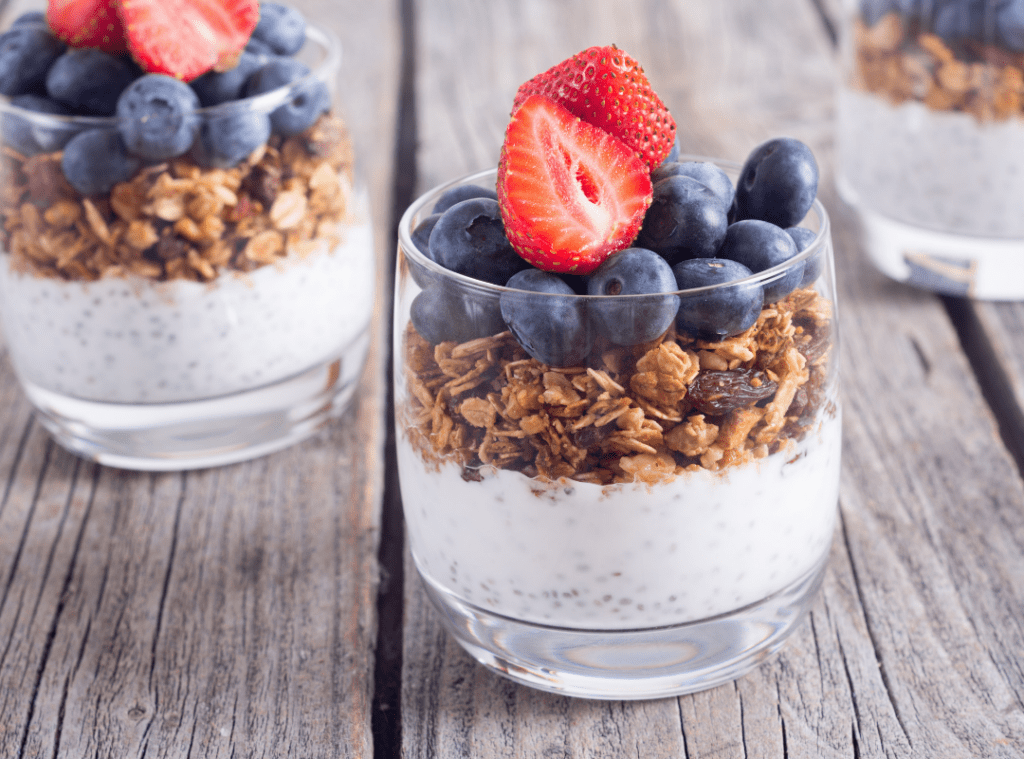
- Yogurt with mashed banana
- Cottage cheese with soft canned fruit
- Ricotta with smooth fruit purée
- Soft scrambled egg in a small serving
- Silken tofu blended with fruit
- Oatmeal made soft with milk or an appropriate alternative
- Mashed avocado with a soft egg
- Smooth bean spread served in a suitable consistency
Smooth nut or seed butter may be appropriate for some people, but thick or sticky textures can be difficult for others. Think it only when doing so matches the person’s allergies, dietary needs, and professional texture instructions.
A snack does not need to contain every food group. Pairing two manageable foods can add variety without making the portion too large.
Families planning beyond individual snacks can use a balanced senior food plan to consider how snacks fit with meals throughout the day.
Easy-to-Hold Finger Foods for Older Adults
Finger foods may be useful for an older adult who prefers eating without utensils or has difficulty handling a fork or spoon. They still need to be chosen according to the person’s chewing and swallowing ability.
Possible finger foods include:
- Small pieces of ripe banana
- Soft canned peach or pear pieces
- Tender cooked vegetable pieces
- Soft egg portions
- Soft cheese
- Small pieces of moist pancake
- Tender bread-based bites without a hard crust
- Soft baked foods that hold together without being dry or crumbly
A suitable finger food should be easy to grasp, tender, and moist enough to chew comfortably. Remove tough skins, hard edges, seeds, or crusts when needed.
Keep portions manageable, but do not assume that cutting food into small pieces makes it safe for someone with a swallowing disorder. A professional texture recommendation should always take priority.
Are Soft Crackers Suitable for an Older Adult?
Some crackers are thin but still dry, hard, sharp, or crumbly. The term “soft cracker” does not describe one consistent texture, so suitability depends on the product and the individual.
Before serving crackers, consider:
- Does the cracker soften easily in the mouth?
- Does it break into dry or sharp crumbs?
- Is it difficult to bite with natural teeth or dentures?
- Would a suitable moist topping make it more comfortable?
- Has a healthcare professional advised avoiding dry or crumbly foods?
The National Institute on Aging’s denture guidance recommends starting with soft, nonsticky foods when learning to eat with dentures and avoiding small, crunchy foods that may become trapped underneath them.
Possible alternatives to crackers include soft bread without a hard crust, moist pancake pieces, tender baked foods, or spoonable snacks. Adding a spread does not make every cracker appropriate for someone with a diagnosed swallowing problem.
Simple Ways to Make Familiar Snacks Softer
An older adult may be more willing to eat a familiar food than a completely new one. Small preparation changes can make some favorites easier to manage.
Try these general methods when appropriate:
- Cook until tender. Fruits, vegetables, grains, and eggs may become easier to chew with additional cooking.
- Mash the food. A fork can soften foods such as bananas, avocados, potatoes, squash, or cooked fruit.
- Remove difficult parts. Take away hard crusts, seeds, pits, peels, strings, or tough edges.
- Add suitable moisture. Yogurt, sauce, milk, broth, or another appropriate liquid may help soften a dry food.
- Chop or break food into manageable portions. Size should match the person’s ability and any professional instructions.
- Blend when appropriate. Blending changes the texture significantly and should not be used as a substitute for an individualized swallowing assessment.
The International Dysphagia Diet Standardisation Initiative, or IDDSI, uses defined levels for foods and drinks. Its adult patient handouts distinguish regular easy-to-chew foods from soft and bite-sized, minced and moist, and puréed textures. These terms should not be used interchangeably when a person has been prescribed a modified diet.
How to Add Variety Without Making Snacks Overwhelming
Variety does not require serving a different snack every day. A simple rotation can keep choices familiar while adding different foods over time.
Start with a few accepted options. Then change one element at a time:
- Pair the same yogurt with a different smooth fruit.
- Serve a familiar fruit warm instead of chilled.
- Alternate between a spoonable snack and a suitable finger food.
- Rotate among fruit, vegetables, grains, dairy or alternatives, and protein-containing foods.
- Offer one or two choices rather than presenting a large selection.
- Note which flavors and textures the person accepts comfortably.
Avoid pressuring an older adult to finish a snack or try several new foods at once. A repeated refusal may reflect taste, temperature, pain, dry mouth, nausea, poor appetite, or difficulty managing the texture.
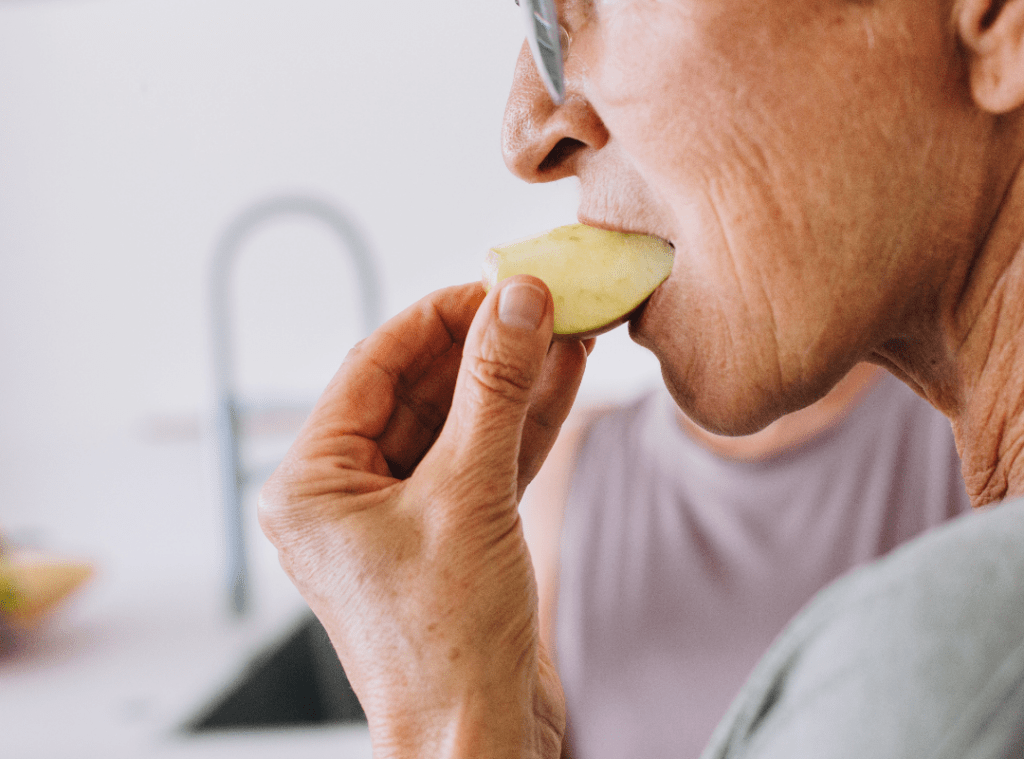
When Hard-to-Chew Food Needs More Than a Softer Snack
Changing a snack may help with a simple texture preference, but it cannot identify the cause of ongoing eating difficulty.
Contact an appropriate healthcare or dental professional when an older adult has:
- Pain while chewing
- Loose or poorly fitting dentures
- Ongoing mouth discomfort
- Persistent dry mouth
- Coughing or choking while eating or drinking
- Food that appears difficult to swallow
- A wet or changed voice after swallowing
- Repeated avoidance of many food textures
- A sudden reduction in eating
- Unintended weight change, weakness, or dehydration concerns
People with tooth or denture problems may avoid meat, fruits, and vegetables and miss important nutrients, according to the National Institute on Aging’s guidance on chewing difficulties. A dentist can check for oral problems and assess denture fit.
Persistent dry mouth can also make chewing and swallowing difficult. The National Institute of Dental and Craniofacial Research’s dry mouth guidance recommends discussing ongoing symptoms with a dentist or doctor so the cause can be identified.
Coughing, choking, or recurring swallowing difficulty may require assessment by a healthcare provider or speech-language pathologist. Follow existing professional instructions instead of relying on a general list of soft foods.
Families who notice a broader change in eating can also review possible reasons an older adult may be eating less.
Nutrition and Daily Support at ShadowTree Lodge
ShadowTree Lodge offers assisted living, nutrition, and medication management in Lapeer, Michigan. Families who are concerned about meals, medication routines, or other daily needs can review the community’s nutrition and assisted living services.
A preference for soft snacks alone does not determine whether someone needs assisted living. The full picture may include eating habits, medication needs, mobility, safety, and the amount of daily help required.
Consider the Full Support Picture
Use ShadowTree Lodge’s care assessment to review your loved one’s daily support needs. Families with questions may also talk with the ShadowTree Lodge team.
Frequently Asked Questions
What soft snack foods are easy for elderly adults to chew and enjoy?
Possible options include yogurt, ripe banana, applesauce, avocado, cottage cheese, soft scrambled egg, oatmeal, and tender cooked fruit. Choose foods that are moist, familiar, and comfortable for the individual to manage. Avoid assuming that every soft food is suitable for someone with a diagnosed swallowing problem.
Which soft, healthy snacks for elderly adults require little preparation?
Yogurt, ricotta, cottage cheese, applesauce, ripe banana, avocado, canned soft fruit, and suitable smoothies need little or no cooking. Read labels when dietary restrictions apply, and check for nuts, seeds, firm fruit pieces, or other additions that may change the texture.
What finger foods are suitable for seniors who prefer easy-to-hold snacks?
Suitable choices may include soft fruit pieces, tender cooked vegetables, soft cheese, egg portions, or small pieces of moist pancake. The food should hold together, feel tender rather than dry, and match the person’s chewing and swallowing ability.
How can families choose soft crackers or similar snacks for an older adult?
Check whether the food softens easily or breaks into dry, sharp crumbs. Consider the person’s teeth, dentures, mouth comfort, and professional diet instructions. Soft bread, moist baked foods, or spoonable snacks may be better choices when crackers remain uncomfortable.
How can caregivers add variety when serving easy snacks for seniors?
Keep several familiar choices and change one feature at a time, such as the fruit, flavor, temperature, or pairing. Rotate among food groups instead of replacing the entire snack routine. Offering one or two options can add choice without making the decision overwhelming.