


Healthy snacks for elderly adults should provide useful nourishment while remaining easy to prepare, comfortable to eat, and enjoyable. Good options often pair a protein food with fruit, a whole grain, or another suitable food.
The right choice depends on the older adult’s appetite, preferences, chewing ability, allergies, and dietary instructions. A food can be nutritious but still be a poor choice when it is difficult to open, prepare, chew, or enjoy.
Key takeaway: Choose snacks by looking at four factors: nourishment, preparation, texture, and personal preference.
What Makes a Snack Nutritious and Manageable for an Older Adult?
A useful snack should do more than fill time between meals. It should contribute to the person’s overall eating pattern without creating unnecessary effort or discomfort.
Use these four questions when comparing snack ideas:
- Does it provide nourishment? Look for fruit, vegetables, whole grains, dairy or an alternative, or a protein food.
- Can the person manage it? Consider whether the package is easy to open and whether the food requires cutting, mixing, heating, or cleanup.
- Is the texture comfortable? Foods may need to be softer, cut into smaller pieces, mashed, or prepared differently.
- Does the person enjoy it? A highly nutritious food has little practical value when it is repeatedly left untouched.
The National Institute on Aging’s healthy eating guidance encourages older adults to choose foods from several food groups as part of a healthy eating pattern. Individual allergies, restrictions, and instructions from a healthcare professional should still guide the final choice.
Easy Snack Ideas for Different Senior Needs
The best snacks for elderly adults are not the same in every situation. This table organizes ideas by the need they may help address.
| Current need | Snack ideas | Why they may be practical | Possible adjustment |
| Little or no preparation | Yogurt with soft fruit, cottage cheese, unsweetened applesauce with yogurt, or cheese with suitable crackers | These choices can usually be portioned and served quickly | Use easy-open containers or prepare small portions in advance |
| Reduced appetite | A small yogurt and fruit portion, half a slice of toast with a smooth spread, or cottage cheese with soft fruit | A small amount can provide more nourishment than a low-substance snack | Begin with a few bites and offer more if wanted |
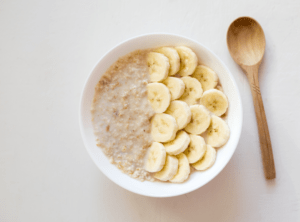
| Softer texture preference | Oatmeal with mashed fruit, yogurt, cottage cheese, or a smoothie made with familiar ingredients | These options may require less chewing than hard or crunchy foods | Adjust texture only according to the person’s needs and professional guidance |
| More staying power | Yogurt with fruit, an egg with a suitable whole-grain side, or hummus with an appropriate accompaniment | These combine protein with another food-group component | Keep the portion manageable |
| Savory preference | Egg salad, hummus, cottage cheese, or cheese with an appropriate side | These provide alternatives to sweet snacks | Follow any sodium or dietary instructions |
| Sweet preference | Fruit with yogurt, banana with a smooth nut or seed butter when suitable, or oatmeal with fruit | These use naturally sweet foods while adding nourishment | Check for allergies and texture concerns |
The MedlinePlus guide to snacks for adults recommends combining protein with a carbohydrate and gives examples such as yogurt with fruit, cheese with fruit, and hummus with an appropriate side.
Not every example will fit every senior. Whole nuts, raw vegetables, hard fruit, dry crackers, thick spreads, and similar foods may be unsuitable when chewing or swallowing is difficult.
Snack Ideas for Seniors With a Reduced Appetite
Large portions can feel discouraging when an older adult has little interest in food. Start with a small serving of a familiar food rather than presenting a full plate.
Good snacks for elderly adults with reduced appetite may include:
- A few spoonfuls of yogurt with soft fruit
- Cottage cheese with peaches or another soft fruit
- A small serving of oatmeal made with milk or a suitable alternative
- Half a piece of toast with a smooth spread, when appropriate
- A small smoothie made with familiar ingredients
- Egg salad in a portion the person can comfortably manage
Focus on foods the person already likes. An unfamiliar food described as healthy may be less successful than a familiar choice served in a smaller, easier form.
Offer snacks when the person usually shows more interest in eating. Avoid pressure or repeated bargaining. Presenting one or two clear choices may also feel easier than asking the person to choose from a long list.
A reduced appetite may be temporary, but a sudden or lasting change deserves attention. Families who notice an ongoing loss of interest in food can review possible reasons an older adult may lose interest in food, including practical barriers and signs that professional guidance may be needed.
Low-Preparation Snacks That Are Easier to Keep Available
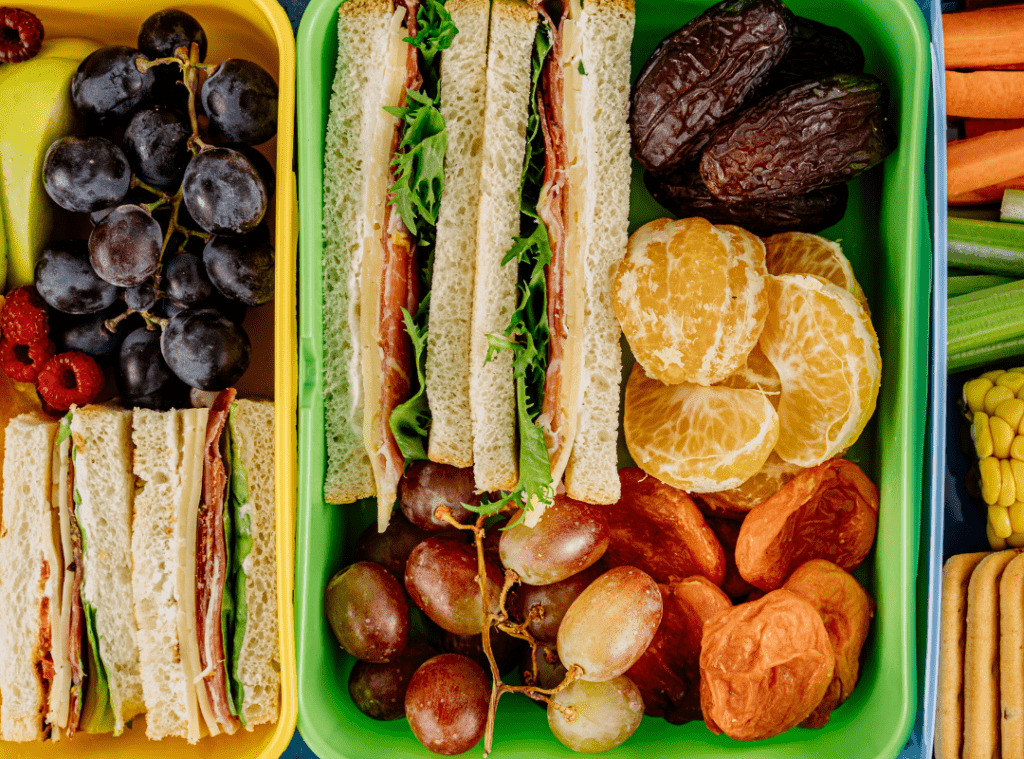
Preparation can be as important as nutrition. A snack will not help when it remains unopened in a hard-to-reach cupboard or requires more work than the person can comfortably manage.
Ready-to-Serve Choices
Depending on individual dietary and texture needs, simple options may include:
- Yogurt
- Cottage cheese
- Soft fruit
- Unsweetened applesauce
- Cheese
- Pre-portioned hummus
- Milk or a suitable alternative
- A prepared egg
Choices That Can Be Prepared Ahead
Families may also prepare:
- Small oatmeal portions
- Washed and cut soft fruit
- Hard-boiled eggs
- Smoothies made with familiar ingredients
- Small containers that pair two suitable foods
Keep the number of choices limited. Place suitable foods where they are visible and easy to reach, and label containers when that makes selection easier.
Packaging also matters. Consider whether the older adult can peel back a lid, open a sealed bag, use utensils, and return refrigerated food safely. Sometimes changing the container solves more than changing the food.
Families planning snacks as part of a wider eating routine can also build a manageable senior meal plan.
How to Adjust Snacks for Chewing Difficulties
Chewing problems may be related to dental discomfort, dentures, dry mouth, fatigue, or difficulty biting firm foods. When the concern is limited to chewing, a softer version of a familiar snack may be easier to manage.
Possible adjustments include:
- Mashed banana or soft canned fruit instead of a firm apple
- Cooked oatmeal instead of dry cereal
- Yogurt or cottage cheese instead of crunchy snacks
- Smooth nut or seed butter instead of whole nuts, when appropriate
- Soft-cooked vegetables instead of raw vegetables
- Egg salad instead of a whole hard-boiled egg
Chewing difficulty and swallowing difficulty are not the same. A soft food is not automatically safe for someone who coughs, chokes, has pain, develops a wet-sounding voice, or feels that food is becoming stuck.
Do not try to create a swallowing diet from a general snack list. Follow any texture or fluid instructions provided by a qualified healthcare professional.
Pairing Foods for Steadier Nourishment Between Meals
A snack made from two suitable food groups often provides more nourishment than a sweet or refined snack eaten by itself. MedlinePlus notes that including protein or a whole-grain food can give a snack more staying power.
Simple pairing patterns include:
- Yogurt with soft fruit
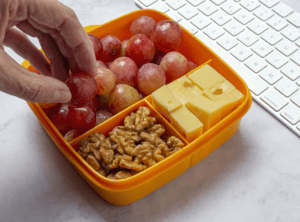
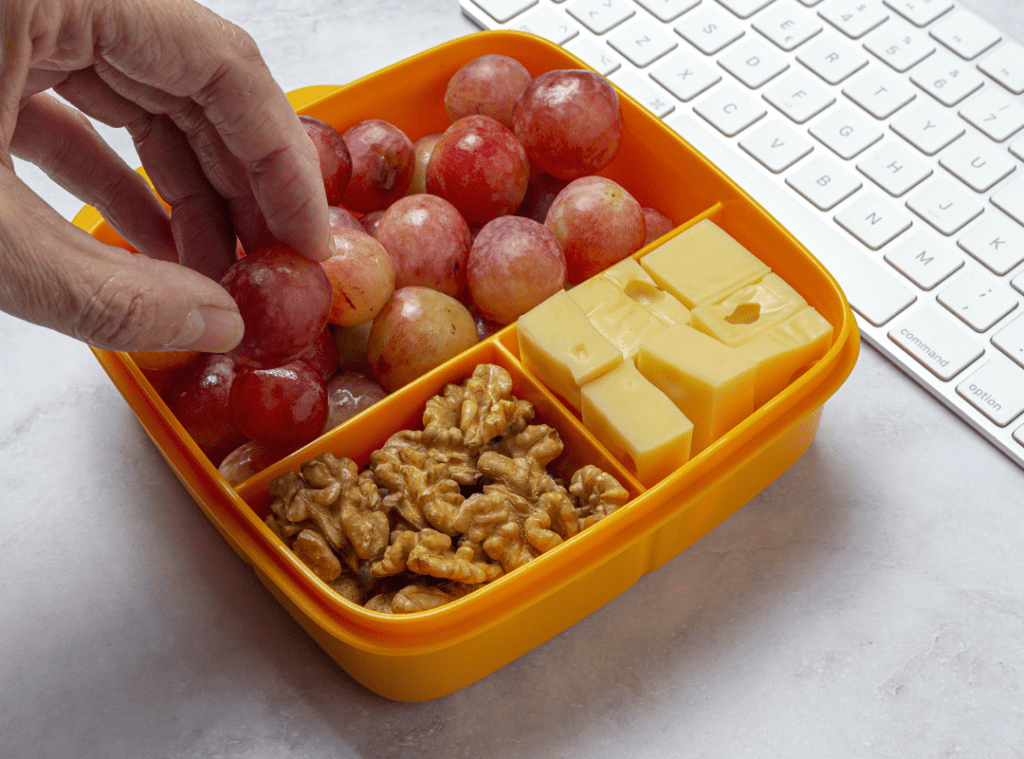
- Cheese with fruit or suitable whole-grain crackers
- Egg with toast or another appropriate whole-grain side
- Hummus with a suitable vegetable or grain
- Oatmeal prepared with milk or a suitable alternative
- Cottage cheese with fruit
- Banana with a smooth nut or seed butter, when safe and appropriate
These combinations are general ideas, not prescribed meal plans. Portions and ingredients should reflect appetite, allergies, dietary restrictions, and texture needs.

How Caregivers Can Add Variety Without Overwhelming the Person
Variety does not require a completely different snack every day. A small rotation is often easier to shop for, prepare, and recognize.
Try this approach:
- Keep two or three familiar base foods.
- Change only one part of the snack at a time.
- Include both a sweet and savory option in the rotation.
- Offer two specific choices instead of an open-ended question.
- Notice which foods are accepted, difficult to manage, or repeatedly left untouched.
- Remove choices that create more effort than value.
- Revisit preferences as appetite and tastes change.
For example, yogurt can be served with banana one day and soft berries another day. Oatmeal can be paired with mashed fruit or unsweetened applesauce. Cottage cheese can be served plain or with a suitable soft fruit.
A Clearly Hypothetical Example
Suppose a family notices that an older parent leaves hard fruit and sealed snack packages untouched but regularly eats yogurt and oatmeal. Instead of buying more varieties, the family keeps those two familiar choices and changes only the fruit or flavor.
This adjustment responds to the person’s behavior without assuming that appetite is the only problem. If chewing pain, coughing, choking, or ongoing appetite loss is present, the family should seek professional guidance.
When to Ask for Professional Guidance
General snack ideas cannot determine why someone is eating less or whether a particular texture is safe.
Contact an appropriate healthcare professional when an older adult has:
- A sudden or persistent loss of appetite
- Unexplained weight loss or another significant weight change
- Increasing weakness or unusual fatigue
- Signs of dehydration
- Pain when biting or chewing
- Coughing, choking, or discomfort while eating or drinking
- Ongoing refusal of food or fluids
- A prescribed diet the family does not understand
- Questions about whether foods fit medication-related instructions
Food can support a daily routine, but it should not be used to diagnose or treat an unexplained health change.
When Nutrition and Daily Routines Need More Support
Choosing nutritious snacks may be only one part of the challenge. Shopping, preparation, medication routines, and consistent meals can also become harder to manage over time.
ShadowTree Lodge in Lapeer, Michigan, offers assisted living, nutrition, and medication management. Families can review a loved one’s daily support needs or contact ShadowTree Lodge to ask how these services may fit their situation. You may also call 810-660-7525.
Frequently Asked Questions
What are good snacks for elderly adults who have a reduced appetite?
Offer a small amount of a familiar, nourishing food, such as yogurt with soft fruit, cottage cheese, oatmeal, egg salad, or half a piece of toast with a suitable spread. A small portion may feel more manageable than a full plate. Persistent appetite loss or unexplained weight change should be discussed with a healthcare professional.
Which snack ideas for seniors require little or no preparation?
Yogurt, cottage cheese, unsweetened applesauce, soft fruit, cheese, and pre-portioned hummus may require little preparation. The most practical choice also depends on whether the older adult can open the container, reach the food, use the necessary utensils, and store leftovers safely.
How can families choose healthy snacks for elderly people with chewing difficulties?
Begin with softer versions of familiar foods, such as oatmeal, yogurt, mashed fruit, cottage cheese, egg salad, or soft-cooked foods. Avoid assuming that all soft foods are safe. Coughing, choking, pain, or difficulty swallowing requires professional guidance.
What are the best snacks for seniors who need steady nourishment between meals?
Rather than choosing one “best” food, pair a suitable protein source with fruit, a whole grain, or another nourishing food. Examples include yogurt with fruit, cheese with suitable crackers, egg with toast, or hummus with an appropriate side. Individual dietary instructions should guide the final choice.
How can caregivers add variety without making snack choices overwhelming?
Keep two or three familiar snacks and change only one ingredient at a time. Offer two specific choices, such as yogurt or oatmeal, instead of presenting a long list. Track which options are enjoyed and which create problems with texture, packaging, or preparation.