



Energy food for elderly adults means simple meals, snacks, and drinks that support steady daily energy through balanced nutrition, hydration, and regular meal routines. For many seniors, the right foods can make everyday activities feel more manageable, especially when meals are easy to chew, enjoy, and repeat.
At ShadowTree Lodge in Lapeer, MI, nutrition is part of a supportive assisted living setting where daily routines can feel calmer and more consistent. If you are helping a parent or loved one, this can help you understand what food choices may support energy without making meals feel complicated.
What Is Energy Food for Elderly Adults?
Energy food for elderly adults includes meals and snacks that help support steady strength, focus, and daily comfort. These foods often combine protein, whole grains, fruits, vegetables, and fluids so seniors can stay nourished throughout the day.
The goal is not one “magic” food. It is a pattern of simple, balanced meals that fit your loved one’s appetite, routine, and care needs. The American Heart Association notes that women age 60 and older may need about 1,600 to 2,200 calories per day, while men may need about 2,000 to 2,600, depending on activity level and other factors.
Simple Definition for Families
Energy-supporting meals are foods and drinks that help seniors feel more prepared for the day. They are usually easy to eat, familiar, and balanced enough to support daily routines without overwhelming the person at mealtime.
Related Nutrition Factors That Affect Senior Energy
Senior energy can be shaped by appetite, hydration, meal timing, and medication routines. At ShadowTree Lodge, services such as Assisted Living, Medication Management, and Nutrition can be part of a more supported daily rhythm, depending on each resident’s needs. Families can learn more through the services offered at ShadowTree Lodge.
Why Seniors May Feel Tired Even After Eating
Seniors may feel tired after eating when meals are too heavy, too light, or not balanced enough for their daily needs. Hydration, appetite changes, and meal timing can also affect how a person feels after breakfast, lunch, or dinner.
If your loved one often seems weak, unusually tired, dizzy, or confused, it is best to speak with a healthcare professional. Food can support daily energy, but ongoing or sudden fatigue should not be ignored.
When Mealtime Support May Help
Mealtime support may help when a senior is skipping meals, forgetting to drink, or struggling to keep a steady routine. A calm assisted living setting can make meals feel less stressful, especially when nutrition and medication routines need more structure.
Best Energy Food for Elderly Adults: Simple Meal Building Blocks
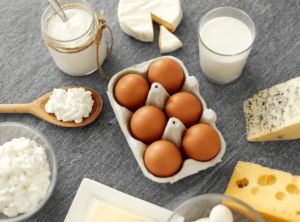
The best energy food for elderly adults usually comes from balanced meal parts, not one single food. Natural energy food for elderly adults may include protein, complex carbohydrates, fruits, vegetables, and fluids that support a steady routine. The National Council on Aging recommends looking for important nutrients through foods such as lean protein, fruits, vegetables, whole grains, and dairy or dairy alternatives.
A simple way to think about meals is to build each plate around a few useful parts. This keeps planning easier for families and helps seniors avoid relying only on sweets, caffeine, or heavily processed snacks for quick energy.
| Meal Building Block | Why It Helps Senior Meals | Simple Meal Idea |
| Lean protein | Helps create a more balanced meal | Soft protein with vegetables |
| Whole grains or complex carbs | Supports steadier daily energy | Oatmeal or a whole-grain side |
| Fruits and vegetables | Adds variety and nutrients | Easy-to-chew produce options |
| Hydrating drinks | Supports daily hydration | Water or non-caffeinated drinks |
| Small snacks | Can help between meals when appropriate | A simple snack that is easy to eat |
If your family is unsure whether your loved one needs more daily support around meals and routines, the care assessment can be a useful place to start.
Simple Senior Meal Ideas for Steady Daily Energy
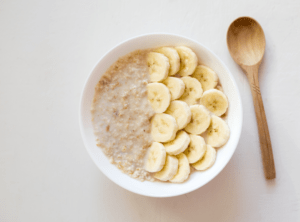
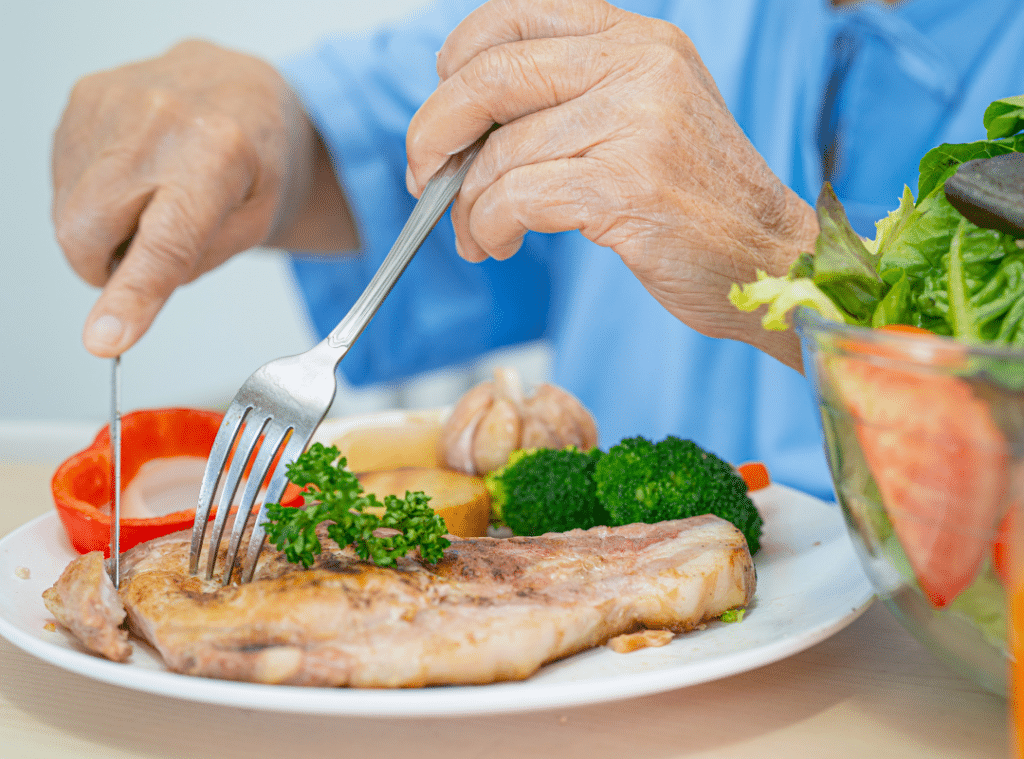
Simple senior meals can support energy when they are familiar, balanced, and easy to manage. Breakfast may include a warm grain with fruit, lunch may include protein with vegetables, and dinner may stay lighter while still offering nourishment.
Small snacks may also help if your loved one feels tired between meals. The best energy booster for seniors is often not a special product, but a steady routine of meals, fluids, and snacks that match their appetite. Families searching for the top 10 energy foods for a woman can start with simple meal building blocks such as protein, whole grains, fruits, vegetables, fluids, and manageable snacks.
Morning Meals That Feel Manageable
Morning meals should feel easy to start. A warm, soft, and balanced breakfast may be easier for some seniors than a large or complicated plate, especially when appetite is lower early in the day.
Midday Meals That Support Routine
Midday meals can help keep the day on track. A simple plate with protein, a grain, and a vegetable can feel more satisfying without being too heavy.
Small Snacks Between Meals
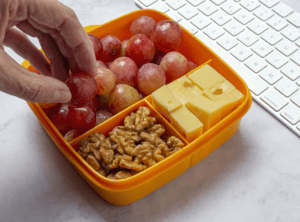
A small snack may help when dinner feels far away or appetite changes through the day. Snacks should be easy to chew, simple to serve, and suited to the senior’s needs and preferences.
What to Give Elderly Adults for Energy Without Overcomplicating Meals
To help give elderly adults energy, start with fluids, small, balanced snacks, and easy meals that include protein and nourishing carbohydrates. Instant energy food for old age should be approached carefully because quick options should still be safe, simple, and appropriate.
If your loved one has a low appetite, try smaller portions more often during the day. The CDC notes that healthy foods, physical activity, quality sleep, and social connection can all support healthy aging, especially for women over 50.
Quick Options When Appetite Is Low
When appetite is low, smaller meals can feel less overwhelming. A few bites of a balanced snack, a drink, or a soft food option may be easier than asking your loved one to finish a full plate.
When Fatigue Should Not Be Ignored
Fatigue that is sudden, ongoing, or paired with confusion, dizziness, or weakness needs attention. Families should not rely on food alone when a senior’s energy changes quickly or sharply.
Energy Drinks for Seniors: What Families Should Consider First
Energy drinks for seniors should be considered carefully because some may contain caffeine, sugar, or ingredients that may not fit every person’s needs. Food, hydration, and consistent meals are often better first steps when thinking about energy booster for seniors.
If your loved one takes medications or has changing health needs, it is wise to ask a healthcare professional before adding energy drinks. At ShadowTree Lodge, Medication Management can support more organized daily routines by helping residents stay on track with prescribed medication schedules.
Supporting Better Nutrition at ShadowTree Lodge in Lapeer, MI
Better senior nutrition often begins with steady routines, simple meals, and the right level of daily support. At ShadowTree Lodge, located at 1378 Shadowtree Ln in Lapeer, MI, Assisted Living, Nutrition, and Medication Management can help create a more supported environment for residents and families.
The setting also offers private, serene acreage with a large patio, furnished private rooms, and a family room with a stone fireplace, giving residents comfortable spaces for daily life. If you are exploring care for someone who needs more support with meals and routines, you can contact ShadowTree Lodge to schedule your visit, or call us at 810-660-7525 to ask your next questions.
Frequently Asked Questions
What to eat for energy in old age?
To support energy in old age, choose balanced meals with protein, whole grains or complex carbohydrates, fruits, vegetables, and fluids. These foods can help create steadier energy throughout the day. Smaller meals may work better if appetite is low. If fatigue is sudden or ongoing, it is best to speak with a healthcare professional.
What are 5 foods that seniors should eat?
Five helpful food groups for seniors include lean protein, whole grains, fruits, vegetables, and hydrating drinks. These choices can support balanced meals and daily routines. The best options should also be easy to chew, easy to prepare, and enjoyable. Food choices should match the person’s needs, preferences, and any guidance from their care provider.
How to give elderly energy fast?
To support energy quickly, start with hydration, a small balanced snack, and a calm place to rest. A light snack with protein and a nourishing carbohydrate may be easier than a large meal. Avoid relying only on sugar or highly caffeinated drinks. If the person seems weak, dizzy, confused, or unusually tired, seek professional guidance.
What to give the elderly to boost energy?
To help boost energy, offer simple meals, balanced snacks, and fluids throughout the day. A steady routine can make eating feel easier and less stressful. Natural energy food for elderly adults often works best when it is familiar, easy to eat, and served in manageable portions. If energy changes are frequent, families may want to discuss care and nutrition support.