


Elderly transportation helps older adults reach appointments, errands, services, and community destinations when driving is no longer practical. In Lapeer, the Greater Lapeer Transportation Authority, or GLTA, offers a phone-based local travel option that seniors and families can explore based on the rider’s destination, mobility needs, and required assistance.
Reliable transportation can ease a common family concern: how your loved one will continue getting where they need to go without depending on one person for every ride. For families considering ShadowTree Lodge, GLTA also adds useful local context when thinking about assisted living, healthcare access, and everyday routines.
What Is Elderly Transportation?
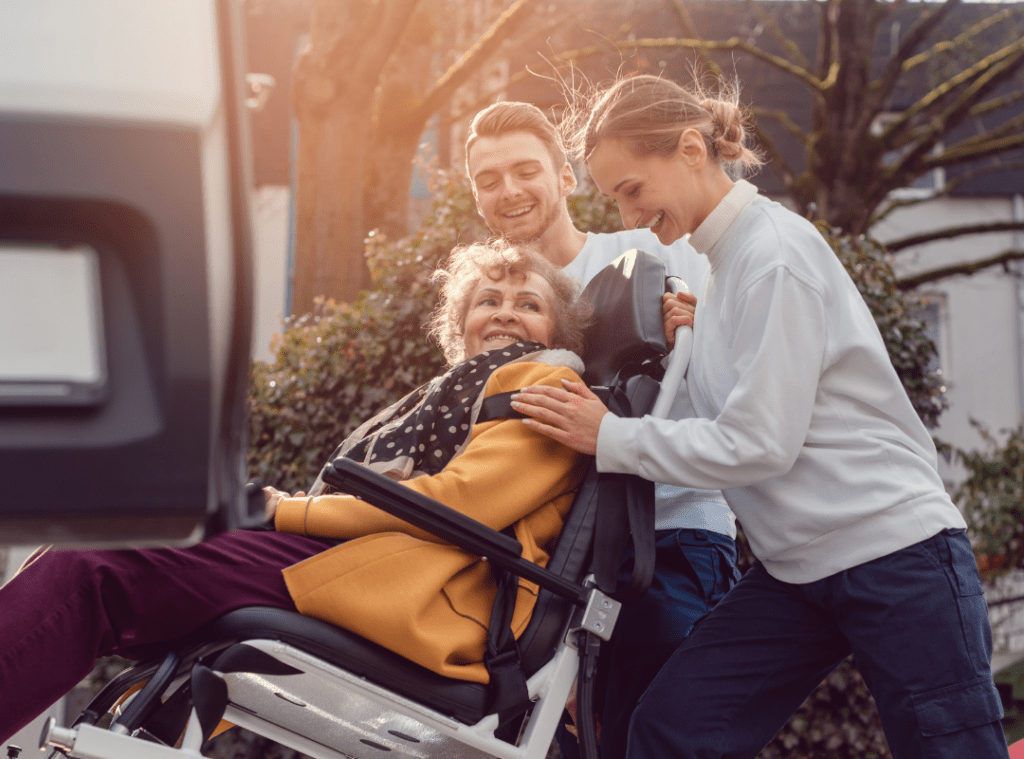
Elderly transportation is travel arranged for an older adult who cannot drive, prefers not to drive, or needs a more accessible way to reach local destinations. It may include public transportation, medical ride programs, family support, private drivers, ride-sharing services, or vehicles that accommodate mobility equipment.
A ride may look convenient until you consider whether the rider can enter and exit the vehicle, wait safely, communicate with the driver, and complete the return trip. Transportation is most useful when it supports the person’s full journey, not just the time spent inside the vehicle.
Transportation planning is becoming relevant to more families as the older adult population grows. The National Highway Traffic Safety Administration reports that the U.S. population age 65 and older reached 61.2 million in 2024, a 28% increase from 2015. NHTSA advises families to consider changes in vision, physical ability, attention, and reaction time when discussing safe driving and other transportation choices.
How GLTA Helps Older Adults Travel Around Lapeer
GLTA allows older adults and families to discuss and arrange local transportation by phone. The Greater Lapeer Transportation Authority lists 810-664-4566 as its main ride-dispatch number and provides information about senior fares.
GLTA also operates Rides to Wellness, a separate service designed to transport Lapeer County residents to medical, health-related, and other approved wellness destinations. Current scheduling, service areas, fares, accessibility, and destination details should always be confirmed directly before planning a trip.
Families can ask GLTA about trips to:
- Medical or wellness appointments
- Pharmacies and grocery stores
- Personal errands and local services
- Community resources and other local destinations
Not every trip or destination will follow the same process. Ask whether the pickup address is within the service area, how far ahead you should schedule, and how the return ride will be handled.
How to Arrange Elderly Transportation Without a Smartphone
A senior can arrange certain transportation services without using a smartphone. GLTA allows riders or family members to call a dispatcher, while Uber’s phone-booking service is available at 1-833-USE-UBER in areas where Uber operates. Uber requires a phone that can receive text messages, so its phone-booking service cannot be used with a landline.
Before calling, gather the information needed to plan the entire ride:
- Write down the pickup address and destination.
- Confirm the appointment or required arrival time.
- Note any walker, wheelchair, or other mobility equipment.
- Ask what boarding and accessibility assistance is available.
- Confirm the pickup window, return ride, payment method, and contact process.
A family member may also help coordinate app-based rides through an eligible account. Planning the return trip matters just as much as arranging the first ride. Someone should know what will happen if an appointment runs late, the vehicle is delayed, or the rider needs help contacting the provider.
The Administration for Community Living Transportation Center also offers resources to help older adults and families locate transportation services in their area.
Compare GLTA, Uber, Lyft, Family Rides, and Private Drivers
No single transportation option is best for every senior. The strongest choice matches the rider’s abilities, comfort level, destination, schedule, and need for assistance.
| Transportation option | Booking method | May work well for | Questions to ask |
| GLTA or another local transportation authority | Phone scheduling | Planned local trips within the service area | Where does it travel, how early should you call, and what accessibility is available? |
| Uber or Lyft | Usually booked through an app | Flexible rides for someone comfortable with app-based travel | Who will book, track, and communicate with the driver? |
| Family or caregiver ride | Direct arrangement | Trips where familiar personal support is helpful | Is the arrangement dependable for recurring trips? |
| Private senior driver or transportation service | Phone or direct booking | More individualized scheduling needs | What assistance, screening, accessibility, and communication are provided? |
| Medical transportation program | Program-specific process | Eligible healthcare or wellness trips | Which destinations qualify, and what planning is required? |
Uber and Lyft may offer flexible pickup options, but booking is only one part of the decision. Think about how your loved one will identify the correct vehicle, communicate with an unfamiliar driver, and respond if the schedule changes.
A local service, such as GLTA, may feel easier for someone who prefers phone scheduling. A family ride may work better when familiar support is needed before and after an appointment. Private transportation may be worth exploring when the rider has specific scheduling or mobility needs that should be discussed in advance.
What to Check Before Scheduling Transportation for an Older Adult
A suitable ride should work from the moment the person leaves home until they safely reach the final destination. The RIDE Framework can help you evaluate each option without overlooking part of the journey.
R: Rider Needs
Start with what the rider can safely manage. Consider whether the person can wait alone, enter and exit a vehicle, use a seat belt, carry personal items, and travel with a walker or wheelchair. Ask whether a companion can ride along if extra support is needed.
I: Itinerary
Confirm the exact destination, arrival time, pickup window, and return plan. Leave extra time when a shared ride or flexible pickup period is involved. A clear itinerary can reduce stress for both the rider and the person coordinating the trip.
D: Driver and Door Assistance
Ask whether the service is curb-to-curb, door-to-door, or limited to vehicle transportation. Accessible vehicles do not always include personal assistance. Families should understand where the driver’s support begins and ends.
E: Emergency and Communication Plan
Make sure the rider has written phone numbers and knows who to contact if plans change. Decide whether a family member or another trusted person will monitor the ride. A simple backup plan can help if the vehicle is delayed or the appointment takes longer than expected.
The Administration for Community Living describes an accessible complete trip as one that works from origin to destination and is reliable, punctual, flexible, and safe. It also notes that barriers can include limited operating hours, difficult information, and challenges during the first or last part of a trip.
Medical Transportation Requires Different Planning
Transportation to a medical appointment is not always the same as medical transportation. A regular local ride may take someone to a doctor’s office, while an ambulance is intended for situations involving medical necessity or an emergency.
Medicare Part B ambulance coverage applies when transportation in another vehicle could endanger the person’s health and medically necessary services are required. Medicare may cover certain non-emergency ambulance trips when a healthcare provider supplies a written order stating that the transportation is medically necessary. A routine ride to an appointment does not automatically meet those conditions.
Before arranging a healthcare trip, confirm:
- Whether the destination qualifies for the selected program
- How far in advance the ride must be scheduled
- Whether a return ride can be arranged
- What mobility or personal assistance is provided
- Whether a companion may travel with the rider
GLTA’s Rides to Wellness program is designed for Lapeer County residents traveling to medical, health-related, and approved wellness destinations. The service uses its own scheduling number, 810-660-7081, and rides need to be scheduled in advance. Families should call to confirm the current destination area, availability, eligibility, and ride requirements.

How to Find a Reliable Driver or Transportation Service for a Senior
Begin with established local resources, then compare each provider based on the rider’s actual needs. A search for “elderly transportation services near me” may show nearby options, but proximity alone does not confirm that a service is suitable.
You can start by contacting GLTA, asking a healthcare office about local ride resources, or using the Administration for Community Living’s transportation resources. For a private driver or company, ask:
- What area do you serve?
- How are rides reserved and confirmed?
- Can recurring trips be arranged?
- What mobility equipment can you accommodate?
- What assistance does the driver provide?
- How are drivers screened and insured?
- How do you handle delays, cancellations, and return rides?
A reliable service should be able to explain its procedures clearly. Pay close attention to how communication works before, during, and after the trip, especially if the senior will travel without a family member.
Transportation Planning Is Part of Choosing the Right Living Environment
Transportation concerns sometimes point to a wider change in daily life. Your loved one may be missing appointments, depending on one caregiver for every trip, or finding it harder to prepare for and recover from outings.
Difficulty arranging rides does not automatically mean someone needs assisted living. It can, however, become one factor to consider alongside medication routines, nutrition, mobility, safety, and the amount of family support available. Reviewing assisted living and daily support services can help you understand how transportation fits into the larger picture.
Your choice of location also affects how manageable daily life feels. Families planning for retirement or future support may find it helpful to explore what to consider when retiring in Michigan, including transportation, healthcare access, lifestyle, and changing care needs.
Local Travel and Daily Support at ShadowTree Lodge
ShadowTree Lodge is located at 1378 Shadowtree Ln in Lapeer, Michigan. GLTA public transportation is listed among the community’s local amenities, giving families another option to explore when planning travel beyond the residence.
Several community features may also reduce or simplify some outside trips. ShadowTree Lodge offers visiting physicians, pharmacy delivery, and a dedicated landline for resident and family use. The community is close to the City of Lapeer and approximately five miles from a hospital and cancer center. Assisted Living, Medication Management, and Nutrition services may also support a more organized daily routine.
ShadowTree Lodge does not replace GLTA or determine its ride availability. Families should contact GLTA directly for transportation details. To discuss how location, local access, and daily support may fit your loved one’s needs, contact ShadowTree Lodge or call 810-660-7525 to plan a personal visit.
Frequently Asked Questions
How can seniors get around without a car?
Seniors can use local public transportation, family rides, private drivers, ride-sharing services, or eligible medical transportation programs. The best option depends on where the person is going, how much assistance they need, and whether they can manage the trip independently. In Lapeer, families can contact GLTA to discuss local transportation availability. Always confirm the return trip and accessibility needs before the day of travel.
How do I get Uber for seniors without a smartphone?
Seniors in the United States can call 1-833-USE-UBER to request a ride without using the Uber app where the service is available. The caller needs a phone that can receive text messages, so the service cannot be booked from a landline. A family member may also help coordinate a ride through an eligible Uber account. Before booking, decide how the senior will identify the vehicle, communicate with the driver, and handle any changes.
Which is better for seniors, Uber or Lyft?
Neither Uber nor Lyft is better for every senior. Local availability, accessibility, booking support, comfort with unfamiliar drivers, and the rider’s ability to manage the trip all affect the decision. Families should also compare pickup reliability and how they will monitor the ride. A phone-scheduled local service may be easier when app use or trip communication is a concern.
How do I find a driver for a senior?
Start with a local transportation authority, such as GLTA, or use an established aging-services resource to locate providers. Ask each service about its coverage area, reservation process, driver screening, insurance, accessibility, and level of assistance. Confirm whether recurring rides and return trips can be scheduled. Choose a provider whose procedures match the senior’s mobility, communication, and supervision needs.