



Brain Games for Seniors can help support memory, focus, and daily engagement through enjoyable activities that keep your mind active. Whether you enjoy quiet puzzles, social games, or simple digital options, regular mental exercise can become a meaningful part of your routine.
At ShadowTree Lodge in Lapeer, seniors and families can explore a supportive setting that values comfort, connection, and wellness. For more healthy aging ideas, you can also read 10 Essential Tips for a Happy and Healthy Senior Life for additional ways to support wellness, routine, and daily enjoyment.
What Are Brain Games for Seniors?
Brain games for seniors are mental activities that help support memory, attention, reasoning, and engagement. They can include crosswords, trivia, matching games, card games, word challenges, and simple digital exercises.
The National Institute on Aging explains that cognitive health is the ability to think, learn, and remember clearly, which makes mentally engaging activities a useful part of daily life. You can learn more through
10 Best Brain Games for Seniors to Try
A good brain game should feel enjoyable, easy to start, and worth repeating. The best options are often the ones you will actually return to during the week.
Word and Number Games
Crossword puzzles, Sudoku, and word searches are strong choices if you like quiet concentration. These games can help you practice recall, pattern recognition, and attention in a relaxed way.
Social and Strategy Games
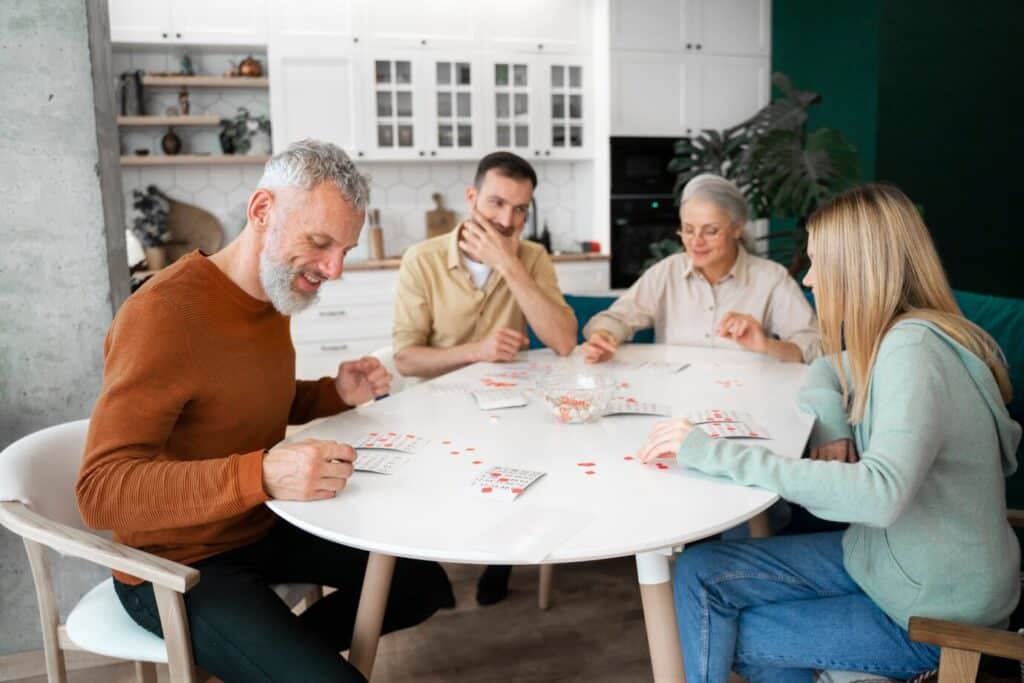
Trivia, card games, board games, and 20 Questions combine mental stimulation and conversation. For many seniors, these games feel more engaging because they add laughter, connection, and shared routine.
Visual and Memory-Based Games
Jigsaw puzzles, memory matching games, and brain-training apps can support recognition, problem-solving, and focus. If you enjoy variety, these are especially useful because they can be done alone or with others.
Brain Games by Preference and Ability
The right game often depends on how you like to spend your time. Some seniors prefer calm solo activities, while others stay more engaged with conversation-based games or short group sessions.
| Preference | Good Choices | Main Benefit |
| Quiet solo time | Crosswords, Sudoku, Solitaire | Focus |
| Social play | Trivia, Cards, Board games | Connection |
| Short sessions | Matching games, Word searches | Easy routine |
| Tech-friendly | Brain apps, Online puzzles | Variety |
For seniors who enjoy quiet routines, puzzles may feel like the best fit. For those who enjoy social time, trivia, and card games can add both mental activity and meaningful interaction.
Brain Games for Seniors With Dementia
Brain games for seniors with dementia should feel familiar, calm, and easy to follow. The goal is not to test performance. The goal is to create comfort, participation, and moments of connection.
The Alzheimer’s Association recommends choosing activities that match the person’s abilities and interests, with simple steps and a low-pressure approach. Familiar card games, picture matching, music trivia, and large-piece puzzles are often easier to enjoy in that setting. If care needs are changing, the Care Assessment and Service Page can help families explore next steps, and Activities offers added guidance for caregivers.
Free Brain Games for Seniors Online and Printable Ideas
Many seniors enjoy games they can access anytime, especially when they want a simple routine at home or an activity to share with family during visits. Free printable brain games for seniors, along with online puzzle options, can make that easier.
Printable word searches, simple trivia sheets, matching games, and online puzzles can all fit naturally into your day. The best option is the one that feels easy to revisit and enjoyable to share.
A Simple Routine Can Keep the Mind Active
You do not need a long schedule to make brain games worthwhile. A short routine often feels more natural and easier to maintain.
You might start the morning with a crossword puzzle, enjoy a card game after lunch, or end the day with a short trivia round with family. The National Institute on Aging notes that about 28% of older adults in the United States, or 13.8 million people, live alone, which makes regular mental and social engagement especially meaningful for many seniors. You can read more in Social Isolation and Loneliness in Older People Pose Health Risks.

Keep Engagement and Comfort in Focus at ShadowTree Lodge
A fulfilling lifestyle is not just about staying busy. It is also about feeling comfortable, supported, and connected to daily life. At ShadowTree Lodge, residents can enjoy a private and serene setting, furnished private rooms, cable television and WiFi, a family room with a stone fireplace, and supportive services such as assisted living, medication management, and nutrition.
If you are exploring options for yourself or someone you love, you can learn more through the Lifestyle Assessment, reach out via Contact Us, or call us at 810-660-7525 to schedule a visit and talk through what feels like the right next step.
Frequently Asked Questions
What is the best brain stimulation for seniors?
The best brain stimulation for seniors is usually a mix of mental activity, conversation, and routine. Puzzles, trivia, reading, and card games can all help keep the mind engaged. The most effective choice is often the one you enjoy enough to do consistently. Variety also helps because it challenges a range of skills. Simple, regular activities often work better than occasional long sessions.
What is the 20 Questions game for seniors?
The 20 Questions game is a guessing game where one person thinks of a person, place, or object. The other players ask yes-or-no questions until they figure it out. It supports reasoning, memory, and conversation in a very simple format. It also works well for small groups or family visits. Many seniors enjoy it because it is easy to start and encourages laughter.
How can a 70-year-old improve their memory?
A 70-year-old can support memory by staying mentally active, physically active, and socially connected. Brain games, reading, routines, and conversations can all help keep the mind engaged. Good sleep and lower stress also matter. A short daily habit is often more helpful than doing too much at once. The goal is steady, enjoyable mental activity.
What is the best free brain game for adults?
The best free brain game for adults depends on personal preference. Some people enjoy crosswords and Sudoku, while others prefer trivia, word games, or memory apps. A good brain game should feel enjoyable, a little challenging, and easy to return to. Free online puzzle libraries can offer a useful variety. The best option is the one you will actually keep playing.