



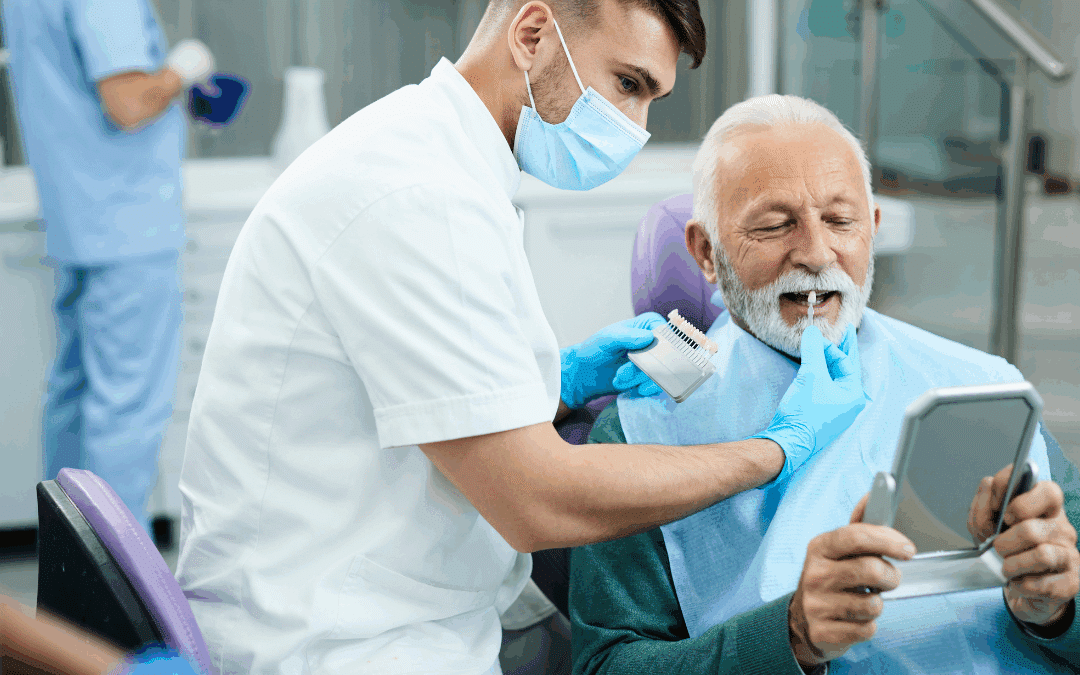
As we age, our health needs evolve, and one of the most important areas that often gets overlooked is dental care for aging adults. Beyond maintaining a pleasant smile, dental health has a significant impact on nutrition, social interactions, and even mental well-being. At ShadowTree Lodge, we believe oral hygiene should be a top priority for seniors to support their quality of life in every stage of aging.
Neglecting dental care can lead to serious complications, including gum disease, infections, tooth loss, and a higher risk of systemic issues like heart disease or cognitive decline. From routine check-ups to daily hygiene, a proactive approach to dental care for aging adults can significantly reduce discomfort and improve overall well-being. Whether you’re an individual planning ahead or a caregiver seeking guidance, this article explores key considerations and solutions to help seniors smile brighter for years to come.
Visit us online to learn more about our support services: https://shadowtreelodge.com/
Why Oral Health Is Crucial for Aging Adults
As we age, our bodies become more vulnerable to chronic illnesses, and our oral health is no exception. Good oral hygiene isn’t just about avoiding cavities; it plays a critical role in preventing more serious health complications. Poor dental health is linked to heart disease, strokes, and even cognitive decline, especially in cases involving oral care for the elderly with dementia. In fact, studies show that older adults with gum disease or missing teeth have an increased risk of Alzheimer’s and other forms of dementia.
Fortunately, maintaining regular dental visits, managing medications that affect the mouth, and practicing proper daily care can help mitigate these risks. Additionally, simple acts like visiting the dentist provide opportunities for social interaction and reduce feelings of isolation, both vital components of senior health. Discover how socialization influences health in this informative blog post.
For those residing in senior living environments, oral care for the elderly in nursing homes should be seamlessly integrated into daily routines to avoid preventable health issues.
Dental Challenges That Seniors Commonly Face
Aging naturally brings about changes in oral health. Some of the most common issues that older adults experience include:
- Tooth Sensitivity – Often caused by worn enamel or gum recession.
- Dry Mouth – A side effect of many medications that reduces saliva, which is essential for oral defense.
- Tooth Decay and Gum Disease – Many seniors have untreated cavities or periodontal disease.
- Tooth Loss – Missing teeth can affect chewing, speaking, and self-esteem.
Early diagnosis and intervention can significantly mitigate these issues. Facilities like ShadowTree Lodge offer personalized care that includes daily oral hygiene and regular dental monitoring to promote optimal oral health for residents.
Importantly, families should also seek dental care for seniors near you to ensure their loved ones have access to professional support, no matter where they live.
Preventive Dental Care Is a Lifesaver
Prevention is always the best medicine—especially when it comes to dental care for aging adults. Consistent brushing, flossing, and semi-annual cleanings can make all the difference in preserving your smile and your health.
Here are a few preventive measures that work well for seniors:
- Use fluoride toothpaste to strengthen enamel.
- Replace your toothbrush every 3-4 months or switch to an electric toothbrush for easier handling.
- Monitor dry mouth symptoms and speak to your healthcare provider if they persist.
When you’re proactive, you’re more likely to catch small issues before they develop into painful or expensive problems. A nutrient-rich diet also complements these efforts. Explore tips for healthy eating in this senior nutrition blog.
For low-income seniors, it’s also worth exploring options for free dental care for senior citizens, which may be available through local health departments or dental schools.

Daily Dental Hygiene Tips That Make a Difference
Even with access to professional care, your day-to-day habits matter most. Creating a consistent and effective oral hygiene routine can protect your teeth for years. Here’s how:
- Rinsing: Start your routine by rinsing with warm water to loosen food particles.
- Brushing: Use a soft-bristled or electric toothbrush to brush twice daily. Fluoride toothpaste can reduce the risk of cavities.
- Flossing: Use floss picks or water flossers if traditional floss is difficult to manage.
These simple practices help prevent the buildup of plaque, reduce inflammation, and support the longevity of your natural teeth. And yes, even if you wear dentures, daily cleaning and routine care remain essential for your oral health.
Learn how good dental habits support holistic health in this article: 7 Best Nutritional Drinks for Seniors
Special Considerations for Seniors with Dementia or Disabilities
Oral care for the elderly with dementia or physical impairments requires a more compassionate and customized approach. Cognitive impairments can make it difficult for individuals to understand or remember dental routines. Physical limitations, such as arthritis, can hinder manual dexterity.
Adaptations can help overcome these challenges:
- Use toothbrushes with ergonomic handles or strap-on aids.
- Use electric toothbrushes and flossers for easier cleaning.
- Caregivers should use gentle techniques and clear, step-by-step instructions.
In oral care for the elderly in nursing homes, caregivers play a crucial role in ensuring that brushing is not skipped and that dental discomfort is promptly reported and addressed. Open communication between care teams and families is crucial to keeping dental needs from slipping through the cracks.
Meanwhile, options like dental care for seniors near you offer mobile dentistry or at-home visits for those who can’t travel easily.
How to Find Dental Care Options in Your Area
If you’re seeking reliable dental care for seniors near you, start by checking:
- Local senior centers or Area Agencies on Aging
- Federally Qualified Health Centers
- University dental schools offering low-cost or free dental care for senior citizens
You can also ask your primary care provider for referrals, or search online for “geriatric dental care” combined with your zip code. For nursing home residents, ensure the facility includes oral care in its daily services and partners with dental professionals who understand the needs of older adults.
Families and caregivers can also benefit from tools like Medicare’s Care Compare to evaluate nursing homes based on dental care support and hygiene standards.
Take Charge of Your Smile and Your Health
In your later years, safeguarding your dental health is about so much more than vanity—it’s about your dignity, confidence, and well-being. The path to healthy aging starts with simple steps: regular cleanings, personalized care, and attention to the unique needs that come with age or memory conditions.
At ShadowTree Lodge, we understand the unique needs surrounding dental care for aging adults. Whether it’s support with oral care for the elderly with dementia, access to free dental care for senior citizens, or helping you locate dental care for seniors near you, we’re here to help you prioritize your health.
Have questions or need support? Call us at 810-660-7525 or schedule a tour to learn more about how we care for our residents from head to toe.
Let us help you rediscover the power of a confident, healthy smile!
Frequently Asked Questions
What is the greatest barrier to receiving dental care for older people?
The most significant barrier for older adults is often cost and lack of dental insurance. Many seniors lose employer-sponsored dental plans after retirement, and Medicare typically does not cover routine dental care. Limited transportation and mobility issues can also make it harder for seniors to visit a dentist regularly. These factors, when combined, contribute to delays in treatment and a worsening of oral health over time.
What to do when you can’t afford dental care?
If you can’t afford dental care, look for free or low-cost dental clinics, many of which are offered through community health programs or dental schools. Some states provide dental benefits through Medicaid, and nonprofit organizations may offer financial assistance or discounted services for seniors. Practicing good oral hygiene at home and seeking preventative care when possible can help avoid more expensive procedures. It’s also worth asking local dentists if they offer payment plans or sliding scale fees.
Can I reverse years of bad dental hygiene?
While you can’t completely undo years of damage, you can significantly improve your oral health with proper care and professional help. A dentist can treat existing issues, such as cavities or gum disease, and recommend a tailored hygiene plan for the future. Consistent brushing, flossing, and regular dental checkups can help halt further damage and restore some aspects of dental health. In some cases, restorative treatments such as crowns or implants can help restore function and appearance.
What is the biggest dental problem in older adults?
The most common dental problem in older adults is gum disease (periodontal disease). It often develops slowly and painlessly, making it easy to overlook until significant damage has occurred. Dry mouth, caused by medications or aging, also increases the risk of tooth decay and gum infections. If untreated, these issues can lead to tooth loss and impact overall health, including increasing the risk for heart disease.