


Blood thinners play a vital role in keeping older adults safe from life-threatening clots, but they also come with unique considerations that families should understand. At ShadowTree Lodge, we know how overwhelming it can feel when you or someone you love begins using these medications. Warm, compassionate support can make all the difference—especially when you’re learning to navigate new routines, side effects, and ongoing monitoring.
This guide was created to help you better understand blood thinners in the Elderly, recognize vital safety signs, and know how to protect your loved one’s well-being. By staying informed and asking the right questions, seniors and families can work closely with healthcare providers to make medication use safer and more comfortable.
Understanding Blood Thinners and Their Purpose
Blood thinners are often prescribed to help prevent clots that could lead to heart attacks, strokes, or other dangerous complications. They work by slowing down the body’s clotting process, allowing blood to flow more freely. Older adults are one of the biggest groups using these medications, which increases the percentage of elderly on blood thinners across the country.
Common types include warfarin, direct oral anticoagulants, and antiplatelet medications. For families, a common question is: What is the safest blood thinner for the elderly? Safety can vary depending on health history, weight, diet, and other medications. That’s why it’s essential to rely on a healthcare provider for personalized guidance.
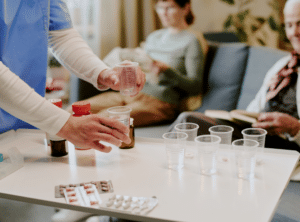
You can learn more about medication management and safe practices by reviewing helpful resources, like proper medication management. Creating routines, staying consistent with doses, and understanding how food interacts with medication can go a long way in keeping seniors safe.
For additional background, organizations like the American Heart Association and the National Institutes of Health offer easy-to-understand explanations about how these medications work.
Common Side Effects Experienced by Seniors
While blood thinners save lives, families should be aware of their side effects in the elderly. Seniors may notice changes such as:
- Bruising More Easily
Even minor bumps can leave noticeable marks. This is because blood thinners slow clotting, making bruises appear larger and darker. - Gastrointestinal Discomfort
Some seniors experience nausea, upset stomach, or abdominal discomfort. Diet plays a key role, which is why understanding how nutrition affects medication metabolism can help. - Fatigue and Lightheadedness
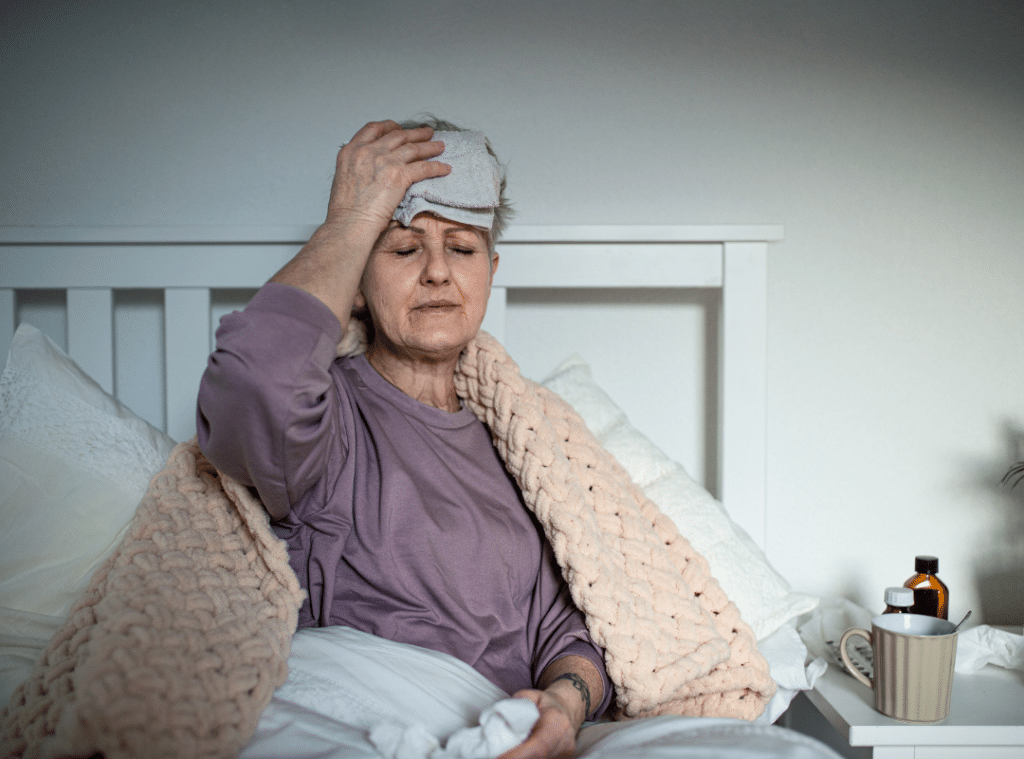
Feeling tired or dizzy can be a sign of internal bleeding or low blood counts. These symptoms should always be shared with your healthcare provider.
These side effects of blood thinners in the elderly are significant and should be monitored daily. Paying attention to changes—no matter how small—helps healthcare providers adjust treatment early. A higher percentage of elderly individuals on blood thinners underscores the importance of awareness in the community and assisted living settings.
Reliable outside sources like the Cleveland Clinic also provide senior-friendly information on medication side effects.
Risks of Bleeding and Management Strategies
Blood thinners work well, but they also increase the risk of bleeding—one of the most serious concerns for seniors. Along with bruising, minor cuts may take longer to stop bleeding. The following tips can make daily life safer:
- Apply firm pressure to cuts for several minutes.
- Keep simple first-aid tools easily accessible.
- Let family members and caregivers know how to assist.
- Watch for nosebleeds, gum bleeding, or black stools—potential signs of internal bleeding.
Families often ask when the elderly should stop taking blood thinners. There is no simple answer because this depends on diagnoses, fall risks, mobility, and overall health. Only a doctor can determine the right timing, but noticing symptoms early and staying proactive helps keep care on track.
Maintaining a balanced diet can also support healthy blood levels and reduce complications.
Importance of Regular Monitoring and Consultations
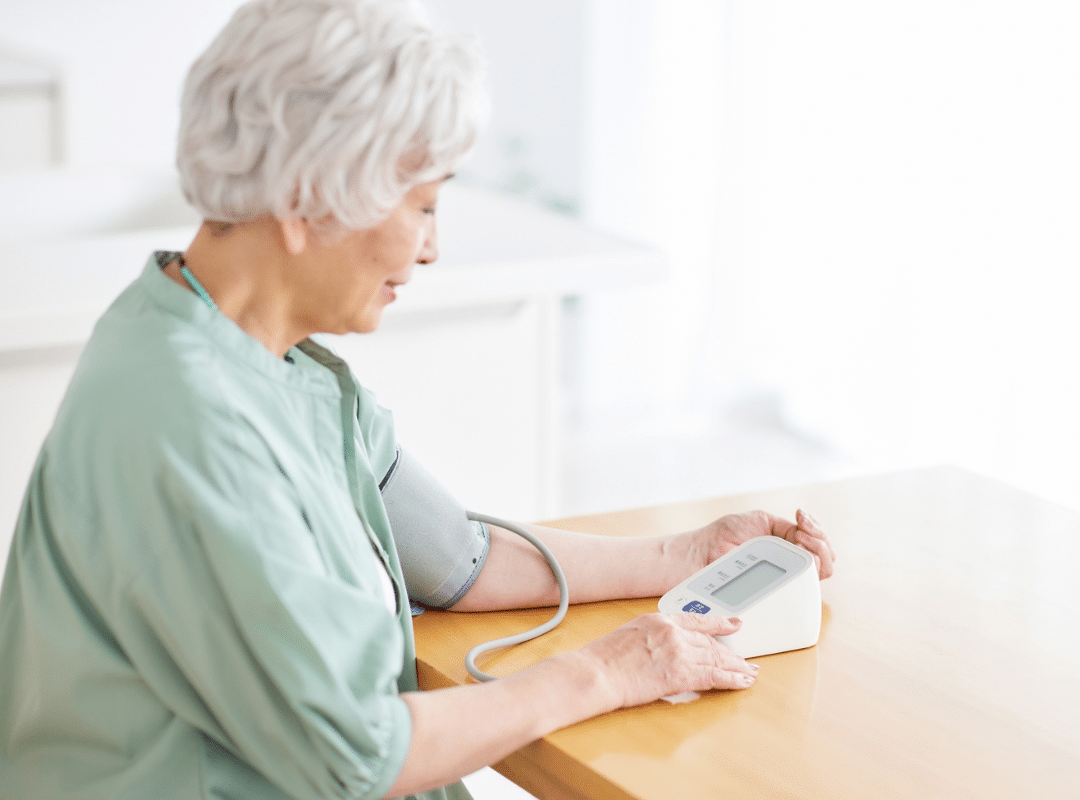
Routine check-ins are one of the best ways to stay safe while taking blood thinners. Seniors—especially those who make up the growing percentage of elderly on blood thinners—need ongoing adjustments because their bodies change over time.
Regular monitoring ensures:
- Personalized Care
Lab work helps determine whether dosages need adjustment. This is especially important when families wonder which blood thinner is safest for the elderly.
- Risk Management
These visits help detect anemia, internal bleeding, or vitamin imbalances early.
- Open Communication
Seniors should feel comfortable discussing fatigue, dizziness, changes in appetite, or new bruising. ShadowTree Lodge encourages strong communication because it makes daily living safer and more predictable.
You can learn more about how daily support can help seniors manage medications and appointments by visiting the assistance with activities.
Additional Considerations and Potential Complications
Beyond the typical side effects of blood thinners in the elderly, other symptoms may appear and should not be ignored. Vision changes—such as blurred vision or seeing dark spots—may occur when bleeding happens behind the eye.
Dietary consistency also matters. Certain foods, especially those high in vitamin K, can affect how medications work. Maintaining balance doesn’t mean giving up favorite foods—it simply means staying mindful and checking in with a healthcare provider about changes in appetite or supplements.
Families often worry about when the elderly should stop taking blood thinners, especially if a loved one’s fall risk increases. While this is a valid concern, doctors consider multiple factors before making medication changes. Keeping track of symptoms, bruising, or unusual bleeding helps guide these decisions.
Avoiding simple medication mistakes is key to staying safe. You can learn helpful tips by reviewing how to avoid common medication mistakes.
A Warm Invitation to Feel Safe, Supported, and Truly Cared For
Caring for a loved one who relies on blood thinners in the Elderly can feel overwhelming—but you don’t have to navigate it alone. Whether you’re learning about what is the safest blood thinner for the elderly, watching for the side effects of blood thinners in the elderly, or wondering when the elderly should stop taking blood thinners, having compassionate support makes all the difference.
ShadowTree Lodge is here to guide you every step of the way. Our dedicated team provides medication oversight, daily support, nutritious meals, and a safe environment designed for seniors who need gentle, attentive care.
If you’ve noticed changes in your loved one or simply want to explore a supportive community, we’d love to help.
📞 Call us today at 810-660-7525
or
👉 Schedule a visit: https://shadowtreelodge.com/contact/
Your loved one’s comfort, dignity, and safety matter—and we’re here to make sure they feel supported every single day.
Frequently Asked Questions
Should elderly people be on blood thinners?
Elderly individuals may be prescribed blood thinners to prevent strokes, heart attacks, or blood clots. Doctors typically evaluate each person’s medical history, mobility, and overall risk factors before recommending them. While blood thinners can be effective, they also increase the chance of bleeding complications. Seniors need to follow their healthcare provider’s instructions and attend regular checkups to stay safe.
What is the greatest risk of taking blood thinners?
The most significant risk associated with blood thinners is excessive bleeding. Even minor cuts or internal injuries can become serious when the blood doesn’t clot normally. Seniors may be more vulnerable due to existing health conditions or falls. That’s why close monitoring and proper dosage are essential to reduce complications.
How to stop a bleed when on blood thinners?
If someone on blood thinners starts bleeding, apply firm and steady pressure to the area immediately. Elevating the wound above heart level can help slow the bleeding. If the bleeding doesn’t stop within a few minutes or is severe, seek emergency medical care right away. It’s also important to inform medical providers that the person is taking blood thinners.
Can blood thinners make you itchy?
Some people may experience itching as a side effect of certain blood thinners. This may be due to mild allergic reactions, skin dryness, or medication-related irritation. If the itching becomes persistent or severe, contacting a healthcare provider is recommended. They may adjust the dosage or switch medications to improve comfort and safety.