


As we grow older, eating right becomes more than just a good habit—it becomes a daily superpower. Nutrition for seniors plays a huge role in staying strong, feeling energized, and keeping independence for as long as possible. The foods you eat help support your muscles, bones, brain, and even your mood.
At ShadowTree Lodge, we believe healthy eating should be simple, enjoyable, and realistic. With the right choices, planning, and support, nutrition for seniors can be both balanced and budget-friendly—without giving up flavor or fun.
Understanding Nutritional Needs as We Age
As the body ages, it changes how it processes food and absorbs nutrients. That means nutrition for seniors must focus on quality, not just quantity. Older adults often need more vitamins, minerals, and protein, even though their appetite may decrease.
For many residents, especially those following a diet plan for older adults over 65, nutrient-dense foods become essential. Fruits, vegetables, whole grains, and lean proteins give the body what it needs without adding empty calories. These foods support heart health, muscle strength, digestion, and brain function.
At the same time, hydration becomes just as important. Seniors may not always feel thirsty, but staying hydrated supports circulation, digestion, and mental clarity. Following a thoughtful nutrition approach for seniors over 80 can also reduce fatigue and help prevent falls or illness.
Maintaining a balanced diet is one of the most effective ways to support long-term wellness and daily independence.
Tackling Common Dietary Challenges for Seniors
Aging often comes with challenges that make eating well harder—but not impossible. Dental issues, medication side effects, limited mobility, or chronic conditions can affect appetite and food choices. That’s where smart planning, nutrition, and senior support services make a difference.
Here are practical ways seniors can overcome common challenges:
- Choose meal delivery services that provide balanced, senior-friendly meals
- Learn basic nutrition education to understand what the body truly needs
- Stay hydrated throughout the day, even without feeling thirsty
- Plan balanced meals with fruits, vegetables, whole grains, and lean proteins
- Work with healthcare providers to adjust meals for conditions like diabetes or heart disease
Following these strategies supports seniors’ nutrition while helping manage chronic conditions safely and effectively.
Budget-Friendly Healthy Eating Tips for Seniors
Healthy eating doesn’t have to be expensive. With the right approach, nutrition for seniors can stay affordable and satisfying. Planning meals ahead of time helps avoid impulse purchases and reduces food waste.
Buying frozen vegetables, canned beans, and whole grains is a smart way to save money while still following a diet plan for old age above 65. These foods last longer, are easy to prepare, and still provide excellent nutrition. Bulk purchases of staples like rice, oats, or lentils can also stretch a grocery budget further.
For seniors who struggle to eat enough, nutrition shakes for seniors can be a helpful addition. These drinks are packed with vitamins and protein, helping fill nutritional gaps. Nutritional drinks provide necessary vitamins and are especially useful during low-appetite days.
Helpful external resources like the USDA MyPlate Guide and the National Institute on Aging nutrition tips also offer trusted guidance for senior-friendly eating.
Practical Meal Planning for Balanced Nutrition
Meal planning makes nutrition for seniors easier, less stressful, and more consistent. Preparing meals in advance saves time and ensures every meal includes the nutrients seniors need to thrive.
Easy Meal Planning Tips
- Plan Ahead: Create a weekly menu and grocery list
- Batch Cook: Prepare meals in larger portions and store leftovers
- Balance Every Plate: Include protein, whole grains, and vegetables
- Watch Portions: Smaller portions still deliver big nutrition when balanced
At ShadowTree Lodge, our nutrition services are designed to support residents with thoughtful nutrition and services for senior living. These services help seniors maintain healthy habits while enjoying delicious meals every day.
Top Nutrient-Dense Foods Seniors Should Eat
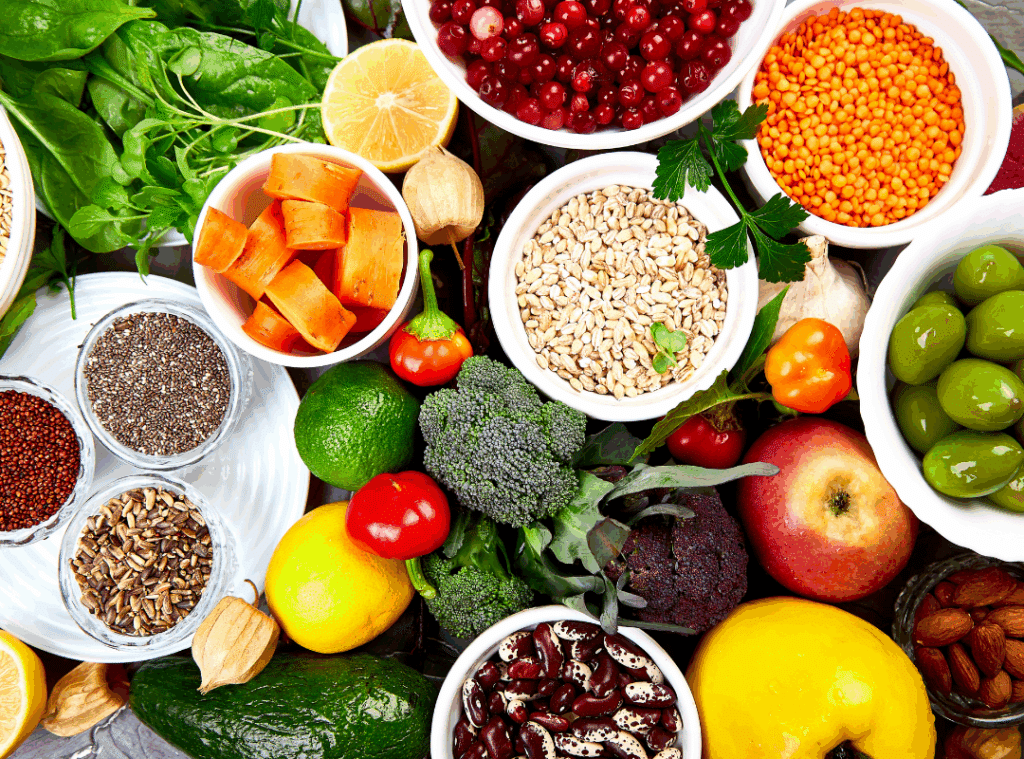
Choosing nutrient-dense foods is one of the best ways to improve nutrition for seniors over 80 and beyond. These foods deliver vitamins, minerals, and energy without excess calories.
Staying hydrated also supports memory, digestion, and overall health—especially when paired with nutritious meals.
| Food Group | Best Choices | Why They Help |
| Vegetables | Spinach, Kale | Support vision, immunity, and bones |
| Proteins | Salmon, Lentils | Build muscle and brain health |
| Whole Grains | Quinoa, Oats | Improve digestion and energy |
Including these foods regularly strengthens nutrition for seniors and supports daily vitality.
The Role of Nutrition Shakes for Seniors
As appetite decreases with age, nutrition shakes for seniors become a reliable option. They are easy to consume, gentle on digestion, and packed with nutrients. These shakes are especially helpful for seniors recovering from illness, managing weight loss, or following a diet plan for old age above 65.
They can be enjoyed between meals or as a supplement when regular meals feel overwhelming. According to the Academy of Nutrition and Dietetics, appropriately used balanced nutritional supplements can support muscle health and energy in older adults.
Why Nutrition Support Matters in Senior Living
Healthy eating becomes easier when seniors have access to professional support. Communities that focus on nutrition and senior living services provide peace of mind for residents and families alike.
At ShadowTree Lodge, meals and nutrition planning are designed with aging needs in mind. From hydration reminders to balanced menus, our approach ensures that seniors’ nutrition remains consistent, enjoyable, and stress-free.
Call Today for Healthier Living at ShadowTree Lodge
Your health deserves daily care, comfort, and attention—and it starts with the right nutrition. At ShadowTree Lodge, we make nutrition for seniors simple, supportive, and delicious, so you can focus on enjoying life instead of worrying about meals.
Call 810-660-7525 today to learn how our personalized dining and wellness support can help you or your loved one thrive. Or schedule a tour and see how ShadowTree Lodge turns healthy living into a happy lifestyle.
Frequently Asked Questions About Senior Nutrition
What is the best nutrition for elderly people?
The best nutrition for elderly people focuses on balanced meals that support energy, muscle strength, and overall health. Seniors benefit from diets rich in lean protein, whole grains, fruits, vegetables, and healthy fats. Proper hydration is also essential, as dehydration can affect digestion and cognitive function. Nutrition plans should consider medical conditions, medications, and changing appetites. A consistent, nutrient-dense diet helps support independence and quality of life as people age.
What are five foods that seniors should eat every day?
Seniors should aim to eat lean protein such as eggs, fish, or beans daily to maintain muscle strength. Leafy green vegetables like spinach or kale provide essential vitamins and support bone health. Whole grains such as oatmeal or brown rice help with digestion and sustained energy. Dairy or fortified alternatives provide calcium and vitamin D for bone strength. Fruits like berries or oranges add antioxidants and fiber to support heart and immune health.
What is the number one fruit that seniors should eat every day?
Berries are often considered the best fruit for seniors to eat every day due to their high antioxidant content. They support brain health, heart health, and may help reduce inflammation. Berries are also rich in fiber, which supports digestion and blood sugar control. They are easy to chew and can be added to meals, snacks, or smoothies. Regular consumption supports overall wellness without adding excess sugar.
What is the best nutritional supplement for the elderly?
The best nutritional supplement for the elderly depends on individual health needs and dietary gaps. Many seniors benefit from vitamin D and calcium supplements to support bone health. Vitamin B12 is also commonly recommended, as absorption decreases with age. Omega-3 supplements may support heart and brain health. Seniors need to consult a healthcare provider before starting any supplement to ensure safety and proper dosing.