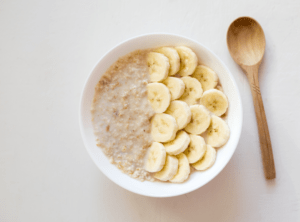




Learning how to increase appetite in elderly adults often starts with small, familiar meals served more frequently. Make each portion nourishing, offer food when hunger is strongest, and create a calm setting where eating feels enjoyable. Persistent appetite loss, unplanned weight loss, or trouble swallowing should be discussed with a healthcare professional.
A full plate can feel overwhelming when an older adult has little interest in food. The goal is not to pressure them into eating more. It is to understand what may be affecting their appetite and make each meal easier to manage, more appealing, and better suited to their needs.
Why Appetite Often Changes in Older Adults
A reduced appetite may be related to changes in taste or smell, lower activity, medication effects, dental discomfort, emotional health, or difficulty chewing and swallowing. Some older adults also feel full sooner than they once did. The National Institute on Aging notes that certain medicines can change the taste of food, cause dry mouth, or reduce appetite. Learn more about common barriers to healthy eating in older adults.
A smaller appetite does not always mean there is a serious problem, especially when the person continues to eat regularly and maintains a stable weight. Ongoing meal refusal, weakness, or unexplained weight loss deserves more attention. Families often begin by asking what food to prepare, but a more useful first question may be, “What is making eating difficult or unappealing?”
A 2025 clinical study found appetite loss in 25.4% of the older clinical patients assessed, even though the participants did not have undernutrition. This finding shows that appetite changes can appear before clear signs of poor nutritional status, but it should not be treated as a prevalence estimate for all older adults. Review the published study on appetite loss in older adults.
How to Increase Appetite in Elderly Adults Without Overwhelming Them
A simple approach is to make meals smaller, more nourishing, easier to eat, and more enjoyable. These four changes can help you respond to a low appetite without turning every meal into a struggle.
Make Meals Smaller
Serve a modest portion that looks manageable, then offer more if the person is still hungry. Five or six small meals and snacks may feel less demanding than three large plates. A smaller serving can also reduce the feeling that the person has failed when food is left behind.
Make Each Bite More Nourishing
When portions are small, each bite matters. Add suitable sources of protein, healthy fats, dairy or fortified alternatives, sauces, or other nutrient-rich ingredients to foods the person already enjoys. Older adults may need fewer calories overall while still needing nutrient-dense foods, according to the National Institute on Aging. Explore guidance on choosing nutritious foods as you age.
Make Eating Easier
Soft, moist, pre-cut, or easy-to-hold foods may help when fatigue, discomfort, or coordination make meals difficult. Dry meat, hard vegetables, or foods that require a great deal of cutting may be left untouched even when the person is hungry. Coughing, choking, or repeated difficulty swallowing calls for professional assessment.
Make Mealtimes More Enjoyable
Familiar foods, pleasant aromas, attractive presentation, and relaxed conversation can make food more inviting. Give the older adult a choice between one or two options so they remain part of the decision. Respecting preferences can reduce resistance and help meals feel like a normal part of the day.
Simple Meal and Snack Ideas for a Low Appetite
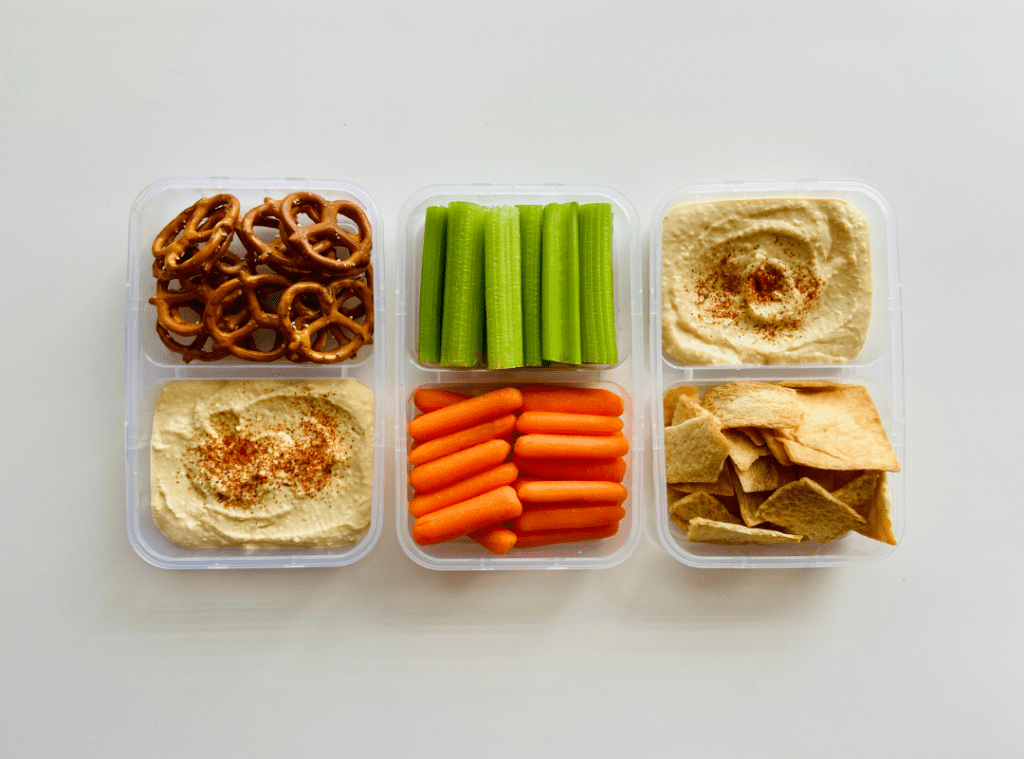
Simple meals work best when they are familiar, easy to manage, and suited to the person’s dietary needs. A small serving of oatmeal made with milk, eggs with toast, yogurt with fruit, or another familiar breakfast may be more appealing than a complicated meal. At lunch or dinner, consider a small sandwich, tender protein with cooked vegetables, a hearty soup, or a modest serving of pasta.
Easy snacks can help fill the space between meals. Options may include yogurt, cheese and crackers, nut butter with fruit or toast, or another familiar protein-rich food. Smoothies and professionally recommended oral nutrition drinks may also help when chewing or finishing a meal is difficult. Keep drinks between meals when possible if having a large beverage before eating makes the person feel full, unless their healthcare guidance says otherwise.
Every meal choice should reflect allergies, diabetes management, prescribed diets, swallowing instructions, and personal preferences. Families who want to turn individual ideas into a consistent routine can also review this healthy menu for seniors, which explains how to organize familiar meals around daily routines and available support.
Meal Choices for Different Appetite Barriers
The best meal strategy depends on what is getting in the way. Low hunger, pain while chewing, fatigue, and swallowing trouble may all look like “not wanting to eat,” but they require different responses.
| Appetite barrier | What you may notice | Meal approach to consider | When added guidance may be needed |
| Large portions feel overwhelming | The plate is rejected before eating begins | Serve smaller meals and planned snacks | Intake remains low or weight changes |
| Chewing is uncomfortable | Firm or dry foods are avoided | Offer soft, moist, easy-to-chew foods | Dental pain or ongoing chewing difficulty |
| Swallowing seems difficult | Coughing, choking, or a wet-sounding voice | Do not guess at a modified diet | Seek prompt professional assessment |
| Food tastes bland | Familiar meals no longer seem appealing | Improve aroma, appearance, and permitted seasoning | Taste changes are sudden or persistent |
| Fatigue limits eating | Meals take a long time or stop midway | Choose foods requiring less cutting and chewing | Weakness or low intake continues |
| Meals are forgotten | Eating is irregular despite the available food | Use consistent meal and snack cues | Broader memory or support concerns appear |
| Pressure causes resistance | Meals lead to arguments or withdrawal | Offer choices and keep the setting calm | Meal refusal or caregiver strain continues |
Swallowing difficulty is different from an ordinary low appetite and may require care from a healthcare provider or speech-language pathologist. Read about swallowing disorders and available evaluation.
Daily Habits That Can Help Stimulate Appetite
An older adult may finish breakfast but leave dinner untouched, or eat more when another person joins them. These patterns show why timing, routine, movement, and the atmosphere around a meal can matter as much as the food itself.
Try a few practical habits:
- Serve the main meal when hunger is usually strongest.
- Keep meals and snacks on a predictable schedule.
- Encourage appropriate movement before eating when it is safe.
- Make meals social and free from pressure.
- Track which foods, times, and settings lead to better intake.
Changes in taste and smell can also make familiar food seem less appealing. The National Institute on Aging explains that a fading sense of smell may cause food to taste bland, which can reduce interest in eating. Learn how smell and taste may change with age.
Tracking patterns can be especially useful. You may discover that breakfast goes well but dinner does not, or that the person eats more with company. These details can help your family make practical changes and give a healthcare professional clearer information if the concern continues.
What Families Should Avoid When Encouraging an Older Adult to Eat
Pressure can make a difficult meal even harder. Repeated reminders about how little someone has eaten may create stress, embarrassment, or resistance. Serve a manageable amount, offer choices, and keep the conversation from becoming a debate about every bite.
Families should also avoid:
- Assuming the person is simply being stubborn
- Removing every favorite food to create a “perfect” diet
- Introducing many unfamiliar meals at once
- Using supplements or appetite products without guidance
- Ignoring pain, medication changes, or eating difficulties
Look for the reason behind the behavior. An older adult may avoid meat because it is hard to chew, refuse dinner because lunch was served too late, or stop eating midway. After all, they are tired. Understanding the barrier often helps more than urging the person to finish the plate.
When Loss of Appetite Needs Professional Attention
Contact a qualified healthcare professional when appetite loss continues, food intake drops substantially, weight declines without intention, or the older adult develops new weakness, dehydration concerns, pain, digestive symptoms, confusion, or mood changes. Regular coughing, choking, or difficulty swallowing should also be evaluated.
A professional review may consider medication side effects, dental problems, swallowing safety, emotional health, digestive concerns, and other medical conditions. MedlinePlus notes that decreased appetite can occur in older adults and recommends medical review when appetite loss is connected with illness or weight change. Review medical guidance about decreased appetite.
There is no single treatment that fits every person. The right response depends on why the appetite has changed. Prescription appetite stimulants, nutrition supplements, and major dietary changes should be discussed with a qualified healthcare professional who understands the older adult’s health and medications.
Find the Right Level of Nutrition and Daily Support in Lapeer
Small meals and calmer routines can make eating easier, but persistent nutrition concerns may be part of a broader need for daily support. ShadowTree Lodge in Lapeer provides Assisted Living, Nutrition, and Medication Management services. Families can explore the available services while considering how meal routines and other daily needs are being managed.
If reduced eating is one of several changes you have noticed, the Care Assessment can help you think through the next step. You can also contact ShadowTree Lodge or call 810-660-7525 to discuss your family’s questions and learn whether added support may be appropriate.
Frequently Asked Questions
What is the best appetite stimulant for seniors?
There is no single appetite stimulant that is best for every senior. Smaller meals, favorite foods, gentle movement when appropriate, and eating during the strongest period of hunger may help naturally. A healthcare professional should first check for medication effects, dental problems, illness, mood changes, or swallowing concerns. Prescription appetite stimulants should only be used under professional guidance because their benefits and risks differ by person.
How do you treat loss of appetite in the elderly?
Treatment depends on what is causing the appetite loss. A healthcare professional may review medications, dental health, swallowing, mood, digestion, and other medical concerns. At home, you can offer smaller meals, nourishing familiar foods, and a predictable eating routine. Persistent appetite loss, weakness, or unplanned weight loss should not be managed through food changes alone.
What food increases appetite?
No single food increases appetite for every older adult. Familiar foods with appealing smells, manageable textures, and preferred flavors may be easier to accept. Small portions containing protein and other nutrient-rich ingredients can provide more nourishment without making the plate larger. Food choices should always follow allergies, dietary instructions, and swallowing guidance.
What should you feed an elderly person who does not want to eat?
Offer small portions of familiar, soft, and easy-to-eat foods that match the person’s needs and preferences. Yogurt, eggs, oatmeal, soup, tender protein, smoothies, or simple snacks may be easier to manage than a large meal. Give one or two choices and avoid pressuring the person to eat. Seek professional guidance if meal refusal continues or occurs with weight loss, weakness, pain, coughing, or swallowing difficulty.