



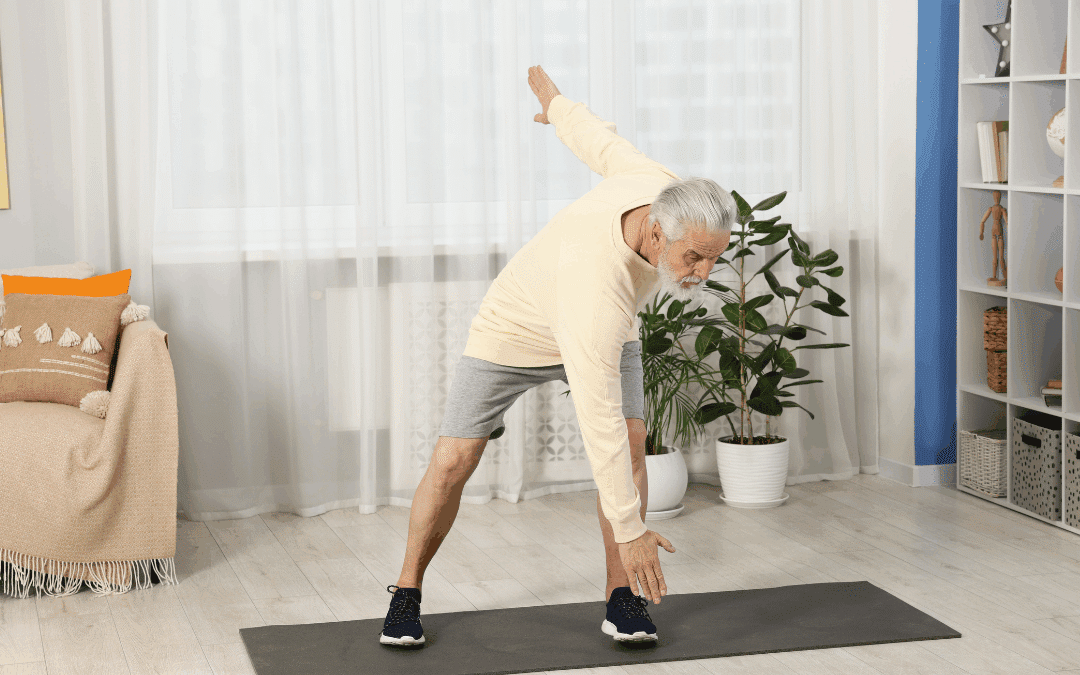
Staying active does not have to be complicated. Stretches for seniors are one of the easiest and safest ways to support flexibility, balance, and comfort right at home. With just a few gentle movements each day, seniors can reduce stiffness, improve posture, and feel more confident doing everyday activities.
At ShadowTree Lodge, we encourage older adults to enjoy simple routines that fit their lifestyle. Whether standing with support or sitting comfortably in a chair, stretches for seniors can be adapted to meet different needs while promoting independence and long-term wellness.
Why Stretches for Seniors Matter Every Day
Regular stretches for seniors help maintain muscle flexibility, joint health, and balance as the body ages. Stretching keeps muscles elastic, which can reduce the risk of injury and make daily movements like walking, bending, or reaching easier and safer.
Stretching is especially helpful for improving circulation and easing muscle tension. Over time, consistent stretching may also improve posture and reduce discomfort in common problem areas like the back, hips, and legs. According to the National Institute on Aging, gentle stretching is a key part of healthy aging and mobility.
Benefits of daily stretching include:
- Better balance and coordination
- Reduced muscle stiffness
- Increased range of motion
- Improved relaxation and stress relief
Essential Stretching Exercises for Seniors
Adding essential stretching exercises into your routine supports flexibility and helps seniors stay active longer. These movements are gentle, controlled, and easy to modify based on comfort level.
Many seniors benefit from stretching exercises for seniors over 70 because these movements focus on maintaining joint health while avoiding strain. Regular stretching helps seniors maintain confidence in their movements and feel more comfortable throughout the day.
Focusing on major muscle groups such as the legs, hips, shoulders, and back can help reduce tightness and support better mobility. You can also explore surprising senior exercise strategies to add variety and motivation to your routine.
Stretching Exercises for Seniors in a Chair
For seniors who prefer extra stability, stretching exercises for seniors in a chair are an excellent option. Chair stretches reduce fall risk while still providing strong flexibility benefits.
Common chair stretches include:
- Seated neck rolls
- Shoulder shrugs and arm stretches
- Seated leg extensions
- Gentle spinal twists
These stretching exercises for seniors in a chair help individuals stay active even when standing is uncomfortable. A sturdy chair offers support while encouraging safe movement.
How to Safely Perform Seated and Standing Stretches
Safety is essential when practicing stretches for seniors. Using proper support, controlled breathing, and correct timing helps prevent discomfort or injury.
Importance of Proper Support
Support plays a major role in safe stretching. Using a wall, counter, or sturdy chair helps seniors maintain balance during standing stretches. For seated movements, sitting upright with feet flat on the floor promotes proper posture.
Supportive tools help seniors feel confident and secure during stretching exercises for seniors over 70, allowing them to focus on gentle movement rather than balance. Participating in structured wellness programs, like those highlighted in assisted living wellness benefits, can provide added guidance and encouragement.
Controlled Breathing Techniques
Breathing correctly makes stretching more effective and relaxing. Controlled breathing helps muscles release tension and improves focus during each stretch.
Tips for breathing during stretches:
- Inhale slowly through your nose
- Exhale gently through your mouth
- Exhale as you deepen the stretch
Combining breathing with morning stretching exercises for senior routines can help reduce stress and start the day with calm energy. Practicing mindfulness techniques, such as those discussed in senior wellness tips, can further enhance relaxation.
Holding Duration Recommendations
Holding stretches for the right amount of time is key to effectiveness. Most stretches for seniors should be held for 10 to 30 seconds without bouncing. This allows muscles to gently lengthen and relax.
Repeat each stretch two to four times while breathing steadily. Whether performing stretching exercises for seniors in a chair or standing, always avoid pushing into pain. Gentle consistency produces the best long-term results.
5 Minute Stretches for Seniors
Short routines are often the easiest to maintain. 5-minute stretches for seniors can fit into any schedule and still provide meaningful benefits. These quick sessions help keep joints flexible without feeling overwhelming.
A simple 5-minute routine may include:
- Gentle neck and shoulder stretches
- Seated leg movements
- Arm reaches and twists
- Deep breathing exercises
Doing 5-minute stretches for seniors daily can improve mobility and energy levels over time, especially when done consistently.
Morning Stretching Exercises for Senior Wellness
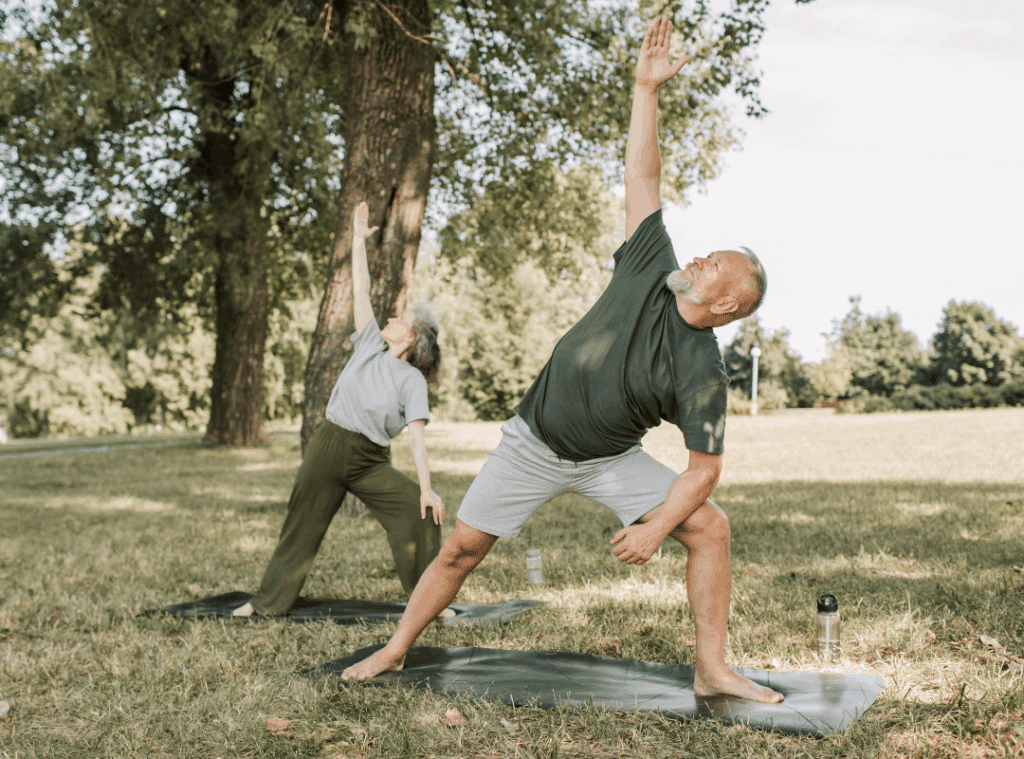
Starting the day with movement can make a big difference. Morning stretching exercises for seniors help reduce stiffness after sleeping and improve circulation.
Morning stretches are especially helpful for:
- Improving balance early in the day
- Reducing joint stiffness
- Increasing alertness and mood
Incorporating morning stretching exercises for seniors helps them feel more prepared and confident for daily activities.
When Is the Best Time to Stretch?
The best time to stretch depends on activity level and comfort. Active seniors often benefit from stretching after light exercise, while less active seniors may prefer stretching in the morning or evening.
Best Times to Stretch
- After physical activity, when muscles are warm
- During the morning to reduce stiffness
- In the evening, to relax muscles before bed
Consistency matters more than timing. Regular stretching for seniors, performed several times a week, offers lasting benefits.
Importance of Warm-Up
A short warm-up prepares muscles for stretching. Light walking, arm circles, or gentle marching in place increase blood flow and flexibility. Warming up reduces injury risk and improves the effectiveness of stretching.
According to the Mayo Clinic, warming up before stretching is an essential step for safe movement.
Staying Active and Hydrated
Stretching works best when paired with hydration and regular activity. Drinking water supports muscle function and prevents cramps, especially during exercise.
Tips for staying active and hydrated:
- Keep a water bottle nearby
- Eat hydrating foods like fruits and vegetables
- Balance movement with rest
Combining hydration with stretching exercises for seniors over 70 supports overall comfort and well-being.
Ready to Feel Stronger and More Flexible? Call Us Today
A few minutes of stretching each day can change how you move, feel, and live. At ShadowTree Lodge, we believe that safe movement and supportive routines help seniors stay confident, active, and independent.
If you or a loved one wants to learn how our community supports healthy aging through wellness-focused living, we would love to hear from you. Call 810-660-7525 today or schedule a tour to see how ShadowTree Lodge can help you stay active, comfortable, and thriving every day.
Frequently Asked Questions
What type of stretching is best for seniors?
The best type of stretching for seniors is gentle, slow, and controlled, focusing on improving flexibility and mobility without strain. Static stretching, where a stretch is held for 15 to 30 seconds, is especially effective and safe. Chair stretches, yoga-based stretches, and light range-of-motion exercises work well for aging joints. Stretching should never cause pain and is most effective when muscles are warm, such as after a short walk.
Can a 70 year old regain flexibility?
Yes, a 70-year-old can regain flexibility through consistent, safe movement. Flexibility may decrease with age, but the body still responds well to regular stretching and low-impact exercises. Improvements can often be noticed within a few weeks when stretching is done several times per week. Staying patient and consistent is key to seeing long-term results.
What’s the best exercise for a 70 year old?
The best exercise for a 70-year-old is one that improves strength, balance, and cardiovascular health while being easy on the joints. Walking, swimming, and light strength training are excellent options for overall fitness. Balance-focused exercises help reduce the risk of falls and improve confidence with movement. The ideal exercise is one that feels enjoyable and can be done consistently.
What is the number one exercise for seniors at home?
Walking is often considered the number one exercise for seniors at home because it is simple, safe, and effective. It improves heart health, strengthens muscles, and supports joint mobility without requiring special equipment. Walking indoors or outdoors can be easily adjusted to match energy levels. When combined with light stretching, it supports overall physical well-being.