




A vibrant and healthy senior life is built on everyday choices that support physical, mental, and emotional well-being. Whether you want to feel stronger, improve your energy, or simply enjoy life more fully, adopting consistent habits can help you thrive at any age. These practices are beneficial for learning to maintain good health in old age, making your later years more fulfilling and balanced.
This guide explores simple lifestyle adjustments, natural health tips for seniors, and practical routines you can easily incorporate into your daily life. By combining joyful activities, social engagement, and mindful self-care, you can experience the benefits of a more connected, confident, and meaningful life. Learn more about senior living resources at https://shadowtreelodge.com/.
Stay Active Regularly
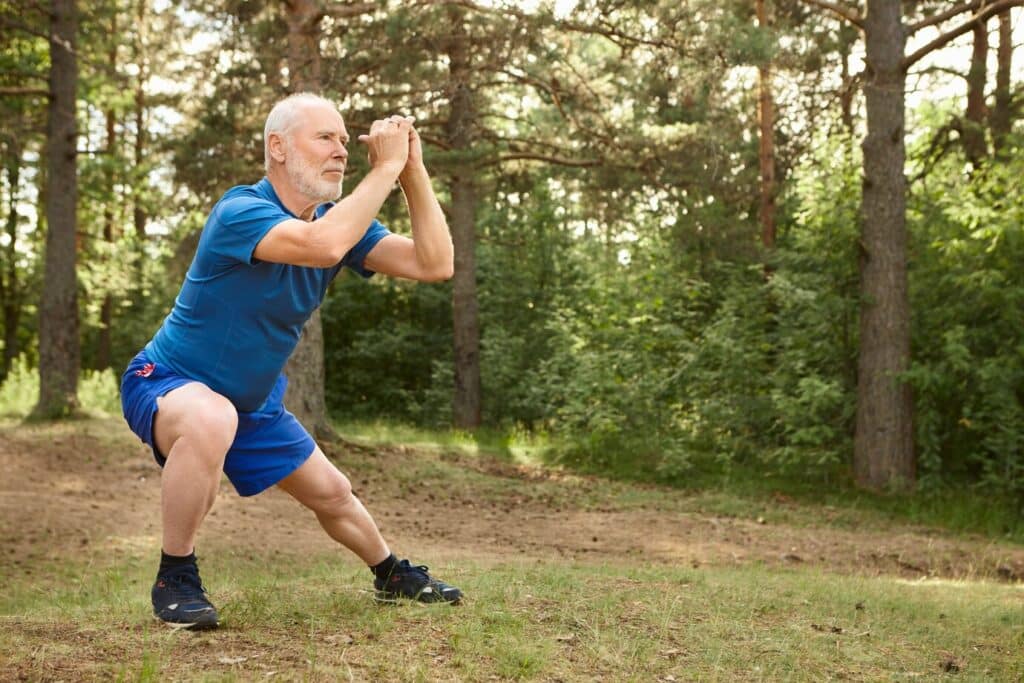
Staying active remains one of the most effective strategies for a healthy senior life. Regular movement helps strengthen muscles and bones, supports mobility, and increases energy levels. You can explore a range of gentle exercises such as light strength routines, stretching, or walking in your neighborhood. These activities are beneficial when exploring how to maintain good health in old age, especially when tailored to your comfort and abilities.
Choosing activities you genuinely enjoy improves motivation and consistency. Before beginning any new routine, it’s wise to consult your healthcare provider for personalized guidance. Remember, continuing to move your body can reduce age-related health concerns and elevate your mood. For added inspiration, activities like nature walks offer refreshing mental stimulation and a calming environment.
Balanced Nutritious Diet
A balanced diet plays a vital role in maintaining vitality, boosting immunity, and supporting long-term wellness. Seniors who follow natural health tips, such as eating nutrient-dense foods and limiting processed snacks, tend to enjoy better energy levels and improved overall health. You can explore easy recipes and nutritional guidance through helpful external resources such as the National Institute on Aging and Harvard School of Public Health.
Importance of Vegetables Daily
Incorporating colorful vegetables into your meals can significantly improve digestion, heart health, and immune strength. Aiming for several servings a day is a simple way to support your goal of a healthy senior life. Diverse vegetables supply essential vitamins, minerals, and antioxidants that help your body stay strong.
Vegetables also make great additions to dishes you already love. Rotating what you eat prevents boredom and encourages better long-term nutritional habits. For more inspiration, explore nutrient-dense foods.
Limit Sugar Intake
Reducing added sugars is a meaningful step in understanding how to maintain good health in old age. High sugar intake is linked to inflammation, weight gain, and chronic diseases. Instead, choose whole foods that naturally satisfy your sweet cravings.
- Opt for fruits such as apples or berries.
- Try yogurt, nuts, or seeds as nutritious snacks.
- Look for hidden sugars on nutrition labels.
- Use spices like cinnamon to enhance flavor.
You can also incorporate healthy beverages and nutritional drinks to support your dietary needs without excess sugar.
Nutritional Choices Impact Mood
What you eat affects how you feel. A nutrient-rich diet can boost mental clarity, help regulate mood, and reduce the risk of cognitive decline. These are meaningful considerations, especially when exploring why healthy ageing is significant and how food choices influence emotional well-being. Foods rich in omega-3 fatty acids and whole grains support brain health, while limiting sugary snacks can help prevent energy dips and mood swings. Learn more about brain-healthy eating here: Top brain-healthy diet tips.
Prioritize Mental Health
Mental wellness plays a central role in maintaining a healthy senior life. Activities like mindfulness meditation, reading, journaling, or exploring new interests can sharpen cognitive abilities and reduce stress. Trying new skills is also an excellent way to enrich your sense of purpose while applying natural health tips for senior citizens daily.
Mind-stimulating routines such as puzzles, writing, or learning a new instrument encourage mental resilience. They also contribute to emotional balance and highlight the importance of healthy ageing for staying engaged and fulfilled.
Regular Health Checkups
Annual health checkups remain essential for early detection and prevention. Being proactive about monitoring your health helps you understand how to maintain good health in old age and identify potential concerns before they grow. Regular exams also provide helpful education and reassurance for maintaining long-term wellness.
Importance of Annual Checkups
Annual checkups support aging adults by offering preventive screenings, personalized guidance, and opportunities for chronic condition management. Good communication with your healthcare provider builds trust and informs your care plan over time.
Monitoring Vital Signs Regularly
Tracking vital signs, such as blood pressure and heart rate, can reveal essential changes in your health. When monitored consistently, these indicators help you make informed choices that support a stable, healthy senior life.
Proactive Health Management Strategies
Health management involves practical steps such as asking questions during appointments, understanding test results, and embracing preventive care. Using wearable devices or mobile health tools can further support daily goals.
Maintain Social Connections
Social engagement contributes significantly to emotional health and longevity. Spending time with loved ones, attending local events, or joining hobby groups can help you feel more connected and supported. Strong relationships also create uplifting opportunities to discuss fun health facts for seniors and stay inspired.
Proper Sleep Habits
Good sleep strengthens immunity, improves focus, and supports healthy aging. Establishing consistent sleep routines, minimizing screen time before bed, and creating a quiet sleep environment can help you feel refreshed and productive each day.
Hydration Is Key
Hydration is a simple but powerful step toward learning how to maintain good health in old age. Staying hydrated supports digestion, joint health, and cognitive clarity.
Importance of Staying Hydrated
Consistent hydration helps regulate body temperature, nourish cells, and support organ function. Dehydration can lead to dizziness, confusion, and fatigue.
Tips for Hydration
- Drink water throughout the day.
- Eat hydrating fruits and vegetables.
- Reduce caffeinated beverages.
- Keep a water bottle nearby.
Safe Living Environment
Creating a safe home environment helps prevent injury and supports independence. Consider evaluating lighting, removing clutter, and using non-slip items to support daily comfort and mobility.
Manage Stress Levels
Managing stress through mindfulness, slow breathing, or gentle movement supports emotional balance. These are valuable components of a healthy senior life and highlight why healthy ageing is essential for maintaining a positive outlook.

Time for Hobbies and Self-Care
Hobbies offer joy, relaxation, and creativity. Whether you enjoy reading, gardening, crafting, or music, dedicating time to personal interests helps reduce stress and promote emotional wellness.
Ready to Begin Your Journey Toward Better Well-Being?
Creating a richer, healthier senior life is possible through small everyday choices. These habits empower you to stay strong, connected, and confident—at your own pace. ShadowTree Lodge is here to support your goals and provide a warm, caring environment where you can flourish in comfort and security.
If you’re ready to experience a more vibrant lifestyle, call us today at 810-660-7525 or schedule a tour. We would be honored to welcome you home.
Frequently Asked Questions
What is a healthy lifestyle for the elderly?
A healthy lifestyle for the elderly includes staying physically active, eating a balanced diet, and keeping the mind engaged. Seniors should incorporate regular exercise such as walking, stretching, or low-impact workouts to maintain mobility. Eating nutrient-rich foods supports overall wellness and energy levels. Social interaction and mental stimulation also play key roles in promoting emotional and cognitive health.
What should a 70-year-old be doing all day?
A 70-year-old should aim for a balanced day that includes light physical activity, engaging hobbies, and meaningful social interaction. Activities such as walking, gardening, or gentle yoga help maintain mobility and strength. Mental stimulation through reading, puzzles, or creative hobbies can support cognitive function. Rest is equally important to avoid fatigue and promote overall well-being.
What is a healthy aging life?
A healthy aging life focuses on maintaining independence, mobility, and emotional well-being. This includes regular medical checkups, managing chronic conditions, and maintaining a positive daily routine. Staying connected with friends and family helps prevent isolation and supports mental health. Healthy aging also emphasizes good nutrition, physical activity, and maintaining a sense of purpose.
What are the seven physical needs of the elderly?
The seven physical needs of the elderly typically include nutrition, exercise, personal hygiene, mobility, safety, medical care, and rest. Adequate nourishment and hydration help maintain energy and reduce health risks. Regular movement supports strength and balance, while hygiene and safety practices prevent infections and accidents. Access to proper medical care and sufficient rest rounds out a senior’s essential physical needs.