



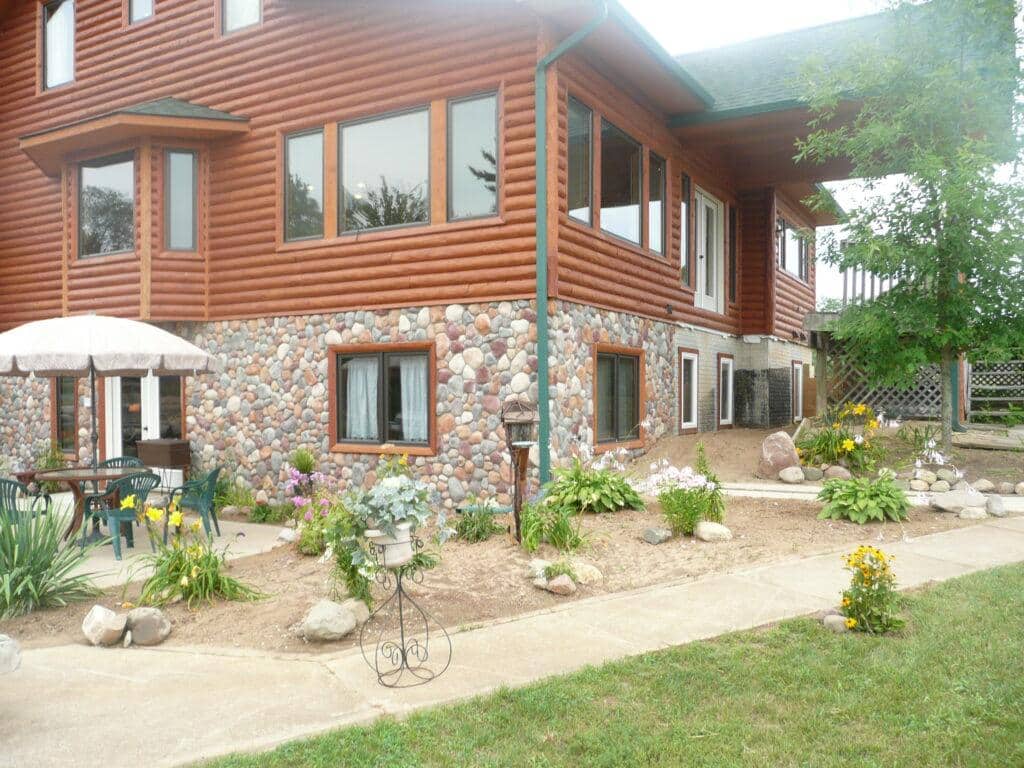
Adult care solutions can feel overwhelming, especially when navigating regulations, safety standards, and long-term support options in Michigan. At ShadowTree Lodge, families often seek clarity around what adult foster care in MI truly offers, how Medicaid helps, and what standards ensure a safe, nurturing home for seniors or adults with specialized needs. This guide brings everything together so you can feel confident and well-informed as you explore quality care.
Whether you’re comparing AFC vs. Homes for the Aged, evaluating safety measures, or learning more about the requirements for adult foster care, this expanded overview helps you understand the support available. With 24-hour personal care, structured oversight, and a strong emphasis on dignity, places like ShadowTree Lodge provide a stable and uplifting environment.
Understanding AFC and Homes for the Aged in Michigan
When exploring care models, it’s essential to distinguish between Adult Foster Care (AFC) and Homes for the Aged (HFA). Adult foster care in MI focuses on providing 24-hour personal care, supervision, and protection for residents who may have developmental disabilities, physical limitations, mental health diagnoses, or age-related needs. These AFC homes can accommodate up to 20 adults, each receiving personalized attention in accordance with state-approved adult foster care requirements.
At ShadowTree Lodge, this structure ensures residents receive compassionate care within a safe and stable environment. AFC homes also serve as crucial support systems for families caring for the mentally ill, offering structured living and daily support.
Homes for the Aged, by contrast, serve adults aged 55 and over, offering room and board and supervised personal care. Each HFA’s capacity varies and is regulated by the state. Michigan’s regulatory guidelines—outlined in the state’s detailed AFC policies and requirements—ensure high-quality care, proper staffing, and consistent oversight.
For families searching for adult foster care homes near MI, understanding these differences helps ensure you choose the right environment for your loved one’s age, medical needs, and personal preferences.
Medicaid Support for Personal Care Services in AFC
Navigating Medicaid can be challenging, but understanding its role is essential when planning for adult foster care in MI, fees, and long-term support. Medicaid’s personal care services provide financial assistance under Title XIX, helping residents access daily living support such as bathing, dressing, mobility assistance, and medication reminders.
Here are key Medicaid insights to help you plan effectively:
- Licensed and Medicaid-enrolled providers must deliver personal care services.
- Funding is tied to ongoing eligibility reviews, especially after recent federal policy updates.
- Medicaid helps reduce adult foster care in MI fees, making care more accessible.
- Coverage varies by individual needs, so it’s essential to understand which services are covered.
- Michigan’s Medicaid program supports AFC and HFA environments when requirements are met.
For comparison, families often evaluate the average cost of assisted living when planning budgets. Understanding these numbers also helps clarify how Medicaid offsets certain expenses, especially in AFC settings. To expand your research, national resources such as the Administration for Community Living and Medicare.gov offer helpful insights on senior care funding and benefits.
Emergency Preparedness: A Critical Part of AFC Safety
Safety matters deeply in every care environment, but it’s especially critical in homes supporting individuals with developmental disabilities, memory concerns, or mobility limitations. AFC and HFA settings must follow state-mandated emergency preparedness guidelines, ensuring procedures are in place for fires, severe weather, medical emergencies, and evacuations.
Key preparedness measures include:
- A written disaster plan
- Regular emergency drills for staff and residents
- Coordination with local first responders
- Proper emergency supplies and backup systems
- Compliance with all licensing and safety requirements
These standards protect vulnerable adults and reinforce why licensed AFC facilities—especially accredited AFC homes for the mentally ill—are essential for safe, stable residential support. Additional general safety resources are available from the American Red Cross to help families understand emergency-readiness expectations.

Using the Michigan Adult Integrated Management System
Providers throughout Michigan rely on the Michigan Adult Integrated Management System (MiAIMS) to streamline authorization and claims processes for personal care services. This system helps ensure accurate reimbursement and smoother operations, which ultimately benefits residents and families.
Advantages of using MiAIMS include:
- Clear, simplified navigation
- Faster and more efficient claims submissions
- Real-time authorization updates
- Integrated training and support resources
- Improved communication between providers and case managers
Financial understanding also matters when exploring care options. Reviewing local assisted living costs helps families compare expenses between AFC, HFA, and alternative residential settings, especially when planning for adult foster care in Michigan.
Key Resources for AFC Providers and Residents
Access to reliable resources enhances care quality and strengthens community connection. Providers, residents, and families all benefit from ongoing education, engagement tools, and routine quality checks.
Here are helpful resource categories:
| Resource Type | Purpose |
| Provider Training | Workshops and compliance instruction |
| Resident Engagement | Activities and social programs supporting well-being |
| Emergency Preparedness | Tools for creating and updating safety plans |
Routine oversight—such as state inspections and evaluations—keeps AFC homes functioning safely and ensures high standards of care. This is especially meaningful for families seeking safe adult foster care homes near MI that align with Michigan’s expectations.
These resources also serve residents supported in AFC homes for the mentally ill, where enhanced supervision and structured environments are essential for stability and comfort.
Ready to Experience Trusted Care? Contact ShadowTree Lodge Today
More than 30,000 Michigan seniors and adults rely on AFC and HFA services, highlighting their importance for long-term, supportive living. At ShadowTree Lodge, our commitment to personalized care, safety, and dignity helps every resident feel valued and supported.
If you’re exploring adult foster care in MI, comparing adult foster care requirements, planning for adult foster care in MI fees, or simply looking for stable adult foster care homes near MI, we’re here to guide you. Our team is ready to answer your questions, walk you through financial options, and help you determine if AFC is the right fit.
Call us today at 810-660-7525 or schedule a tour.
ShadowTree Lodge is here to help you take the next confident step toward quality care.
Frequently Asked Questions
What is adult foster care in Michigan?
Adult foster care in Michigan provides a safe, supervised living environment for adults who need help with daily activities. These homes offer personal care, meals, medication reminders, and social engagement. They are designed for individuals who cannot live independently but do not require nursing home care. Adult foster care homes are licensed and regulated by the state to ensure quality and safety.
What does adult foster care mean?
Adult foster care refers to a residential setting where trained caregivers support adults who need assistance with daily living tasks. This includes help with bathing, dressing, eating, and mobility. The environment is typically home-like and promotes independence as much as possible. It’s a long-term care option for individuals who cannot safely live alone but do not require intensive medical care.
What is the Adult Foster Care Facility Licensing Act in Michigan?
The Adult Foster Care Facility Licensing Act in Michigan establishes the rules and standards that providers must meet to operate legally. It covers caregiver qualifications, resident rights, safety protocols, and facility requirements. The act ensures that adult foster care homes maintain proper staffing, training, and living conditions. Its purpose is to protect residents and maintain consistent quality across all licensed facilities in the state.
Who pays for adult foster care in Michigan?
Adult foster care in Michigan can be paid for through private funds, long-term care insurance, or state assistance programs. Many residents pay out of pocket, depending on their income and care needs. Medicaid may help eligible individuals cover costs through specific waiver programs. Some counties also offer financial support based on assessed need and available resources.