




A healthy menu for seniors is a practical food plan that organizes familiar, balanced meals around an older adult’s routine, preferences, ability to prepare food, and available support, while leaving room for allergies, professional dietary instructions, and the everyday changes that can affect what feels manageable. The best plan is clear enough to follow and flexible enough to adjust.
You will find a seven-day schedule, a simple way to expand it into two weeks, and questions that can help your family decide when more daily support may be useful. In Lapeer, Michigan, ShadowTree Lodge lists Nutrition among its assisted living services, giving local families another option to explore as needs change.
What Is a Healthy Menu for Seniors?
A senior menu can be organized as a daily schedule, a seven-day plan, or a rotating two-week plan. Each format brings together related parts of meal planning, including food groups, preparation, personal preferences, shopping, and family support.
A balanced pattern can include fruits, vegetables, grains, protein foods, and dairy or fortified soy alternatives, as described in USDA MyPlate guidance for older adults. A general menu is not a prescribed diet, so personal dietary instructions should always shape the final choices.
Start With the Senior’s Routine, Preferences, and Support Needs
A workable plan starts with the senior’s real day. General diets for elderly adults may overlook familiar foods, cooking ability, appetite, and the support available during the week.
The CDC reported that 19.3% of U.S. adults age 60 and older followed a special diet on a given day. Ask about allergies, restrictions, and professional guidance before changing the menu.
Questions to Answer Before Planning Meals
A few practical questions can protect personal choice and create a routine that fits the support your family can provide:
- Which meals does the senior enjoy most?
- Who will shop, cook, or bring meals?
- Which meals can be prepared independently?
- Are there dietary instructions to follow?
- How often can family members assist?
A Simple 7-Day Meal Plan for Elderly Adults
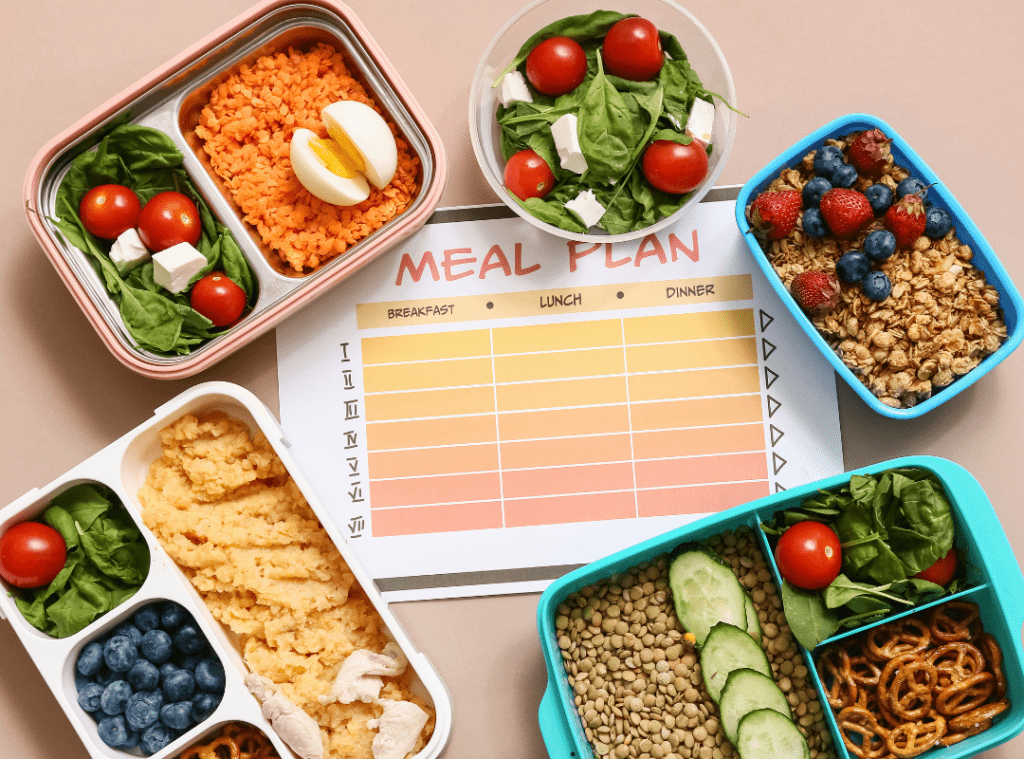
A 7-day meal plan for elderly adults can simplify preparation by repeating familiar ingredients. The examples below use food groups and meal combinations from the National Institute on Aging meal-planning guidance. Adjust each choice for allergies, texture needs, preferences, and professional dietary instructions.
| Day | Morning Meal | Midday Meal | Evening Meal | Planning Note |
| Day 1 | Oatmeal with berries and yogurt | Chicken, tomato, and avocado sandwich | Roasted salmon, zucchini, and sweet potato | Prepare an extra sweet potato |
| Day 2 | Vegetable omelet with whole-grain toast | Quinoa with cooked vegetables | Chicken breast, roasted vegetables, and hummus | Cook an extra chicken portion |
| Day 3 | Yogurt with fruit and oats | Tuna salad with whole-grain bread | Whole-wheat pasta with ground turkey and tomato sauce | Save one pasta serving |
| Day 4 | Eggs with spinach and toast | Chicken and vegetable wrap | Fish with spinach and brown rice | Use the prepared chicken |
| Day 5 | Oatmeal with banana and yogurt | Bean and vegetable soup | Turkey, sweet potato, and green beans | Prepare extra soup |
| Day 6 | Whole-grain cereal with milk and fruit | Egg salad sandwich with cucumber | Chicken, brown rice, and mixed vegetables | Save one rice portion |
| Day 7 | Yogurt with berries and oats | Leftover soup with whole-grain toast | Salmon, roasted vegetables, and quinoa | Review the week together |
How to Make the Weekly Plan Easier to Follow
Keep the schedule visible and repeat meal formats that work. If drinks or supplements are part of the conversation, review ShadowTree Lodge’s nutritional drinks guide for seniors with the senior’s healthcare professional.
How to Turn One Week Into a Two-Week Senior Menu
A two-week menu does not need 14 completely different days. Keep the meals that were enjoyed, change a few ingredients for variety, and match the second week to the help that will actually be available.
- Review which meals were enjoyed and easy to prepare.
- Keep the choices that worked well.
- Replace meals that required too much preparation.
- Change a fruit, vegetable, grain, or protein food.
- Confirm who can shop, prepare, or bring each meal.
Planning Healthy Meals for Seniors at Home or Living Alone
A meal plan should reflect how much a senior can and wants to manage independently, whether family members live nearby or coordinate support from a distance.
When a Senior Prepares Meals at Home
A simple meal plan for seniors at home should be easy to read, realistic for the person’s day, and built around foods they enjoy. Keep favorite meals in the rotation and limit complicated preparation.
When a Senior Lives Alone
Healthy meals for seniors who live alone may call for more coordination. Decide who can shop, cook, check the schedule, or bring meals while respecting the senior’s preferences and independence.
When Nutrition Support Becomes Part of Assisted Living
Nutrition support may become part of the family conversation when planning, shopping, and preparing meals are harder to manage consistently. Added support can create a steadier routine while allowing the senior’s preferences to remain part of daily decisions.
ShadowTree Lodge is an assisted living community in Lapeer, Michigan, and Nutrition is listed among its approved assisted living services. Medication Management is available as a separate service. Families can ask how these services may fit into a resident’s daily routine and support needs.
Make the Next Meal Plan Easier for Your Family
A useful meal plan begins with the person. Learn what the senior enjoys, choose meals your family can manage, and review the schedule after the first week. If preparation becomes difficult, a conversation about added support can make the next step clearer.
To learn how Nutrition and Assisted Living may fit into daily life at ShadowTree Lodge, contact the community to schedule a tour and to talk through your family’s questions without pressure.
Frequently Asked Questions
What are 5 foods that seniors should eat?
Five useful choices for many seniors are leafy vegetables, berries, oatmeal, fish, and yogurt. Together, they represent several food groups and can fit into simple meals or snacks. No single list is right for every person, so preferences, allergies, and texture needs matter. Follow any dietary instructions given by the senior’s healthcare professional.
What is a healthy meal for seniors?
A healthy meal for seniors can include a protein food, vegetables or fruit, and a grain or another suitable side. One example is roasted salmon with sweet potato and cooked vegetables. The meal should be enjoyable, manageable to prepare, and suited to the person’s needs. Professional dietary instructions should guide substitutions and portions.
What are the 7 healthiest foods for seniors?
Seven nutrient-rich options for many seniors are leafy vegetables, berries, oatmeal, beans, eggs, fish, and yogurt. These choices cover several food groups and can be prepared in different ways. A senior does not need to eat every item, and suitable alternatives can reflect personal tastes. Allergies, restrictions, and professional advice should shape the final menu.
What should a 2 week menu include for an elderly person?
A two-week menu should include familiar morning, midday, and evening meals that are realistic to prepare. Start with a seven-day plan, keep the meals that worked, and change selected fruits, vegetables, grains, or protein foods during the second week. Include leftovers or family-prepared meals when they make the routine easier to follow. The final schedule should reflect the senior’s preferences and the support available.