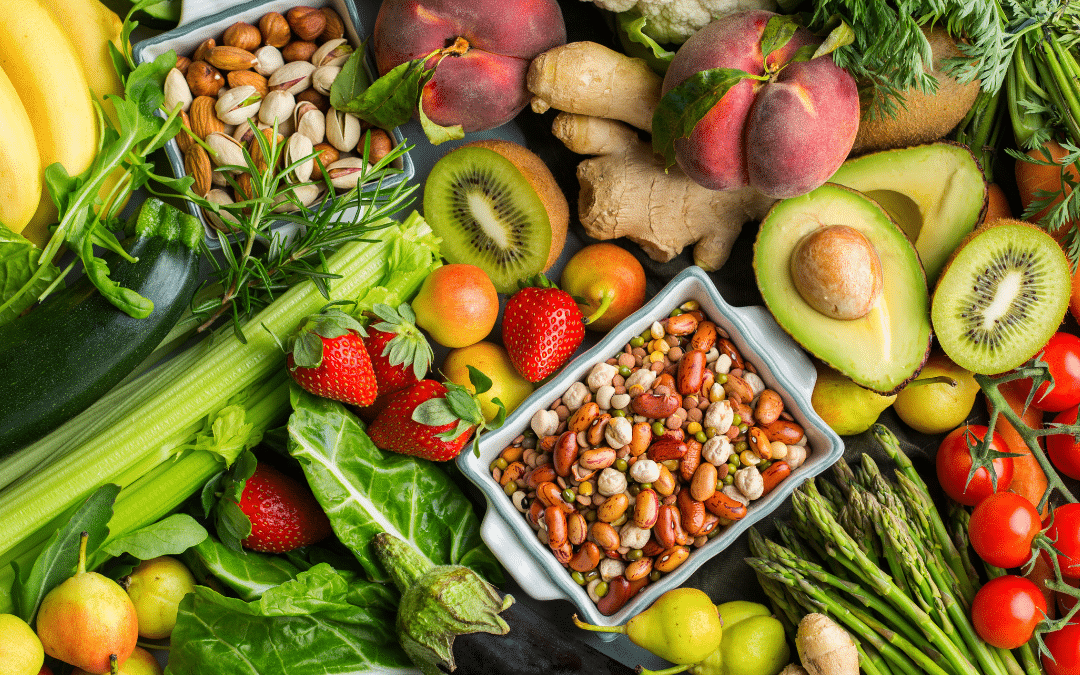
A balanced diet for women over 50 supports strength, energy, digestion, hydration, and daily wellness through steady meals with protein, vegetables, fruits, whole grains, and fluids. For many women and families, the goal is not a strict plan. It is creating a routine that feels manageable, nourishing, and consistent.
At ShadowTree Lodge in Lapeer, MI, nutrition can be part of a broader daily care routine supported through Assisted Living, Medication Management, and Nutrition. This can be especially helpful when meal planning, appetite changes, or daily consistency become harder to manage at home.
What a Balanced Diet for Women Over 50 Should Include
A balanced diet for women over 50 focuses on steady nourishment that supports strength, energy, digestion, hydration, and overall wellness. Meals are often built around protein-rich foods, vegetables, fruits, whole grains, and fluids, with choices adjusted to personal needs and daily routines.
The National Institute on Aging’s healthy meal planning guidance highlights food groups such as vegetables, fruits, whole grains, dairy, seafood, poultry, meat, eggs, nuts, seeds, and soy products as part of healthy meal planning for older adults.
Protein for Strength and Daily Function
Protein can help support strength and daily function, especially when paired with regular meals. For women over 50, protein may be included throughout the day instead of being saved for one meal.
Fiber, Fluids, and Balanced Meals
Fiber-rich foods and fluids can support digestion and comfort. A balanced plate may include vegetables, fruit, whole grains, and a protein source, depending on personal preferences and care needs.
Nutrient Needs That May Change After 50
After 50, eating patterns may need to shift with appetite, activity level, medication routines, and overall wellness goals. Families often notice that consistency matters just as much as food choices.
What Should a Woman Over 50 Eat Every Day?
A woman over 50 should aim for balanced meals that include protein, colorful foods, whole grains, fluids, and simple snacks when needed. The best daily rhythm is one that supports energy without feeling overwhelming.
A helpful daily pattern may include:
- Protein with meals, such as eggs, poultry, fish, beans, or other preferred options
- Vegetables and fruits for variety, fiber, and meal balance
- Whole grains or other nourishing starches for steady energy
- Fluids throughout the day to support hydration
If your loved one needs more support with daily nutrition, ShadowTree Lodge provides nutrition support through its services in a care setting designed for consistent routines.
Meal Planning for Menopause, Weight Goals, and Healthy Aging
Meal planning after 50 often works best when it supports strength, energy, and healthy routines without becoming overly restrictive. Menopause, appetite changes, activity level, and daily care needs can all affect what feels realistic.
Heart health can also become a larger part of food decisions with age. CDC data from August 2021 to August 2023 reported hypertension prevalence at 71.6% among adults aged 60 and older, which is one reason blood pressure questions deserve thoughtful guidance from a healthcare provider.
Why Protein and Consistency Matter
Protein and regular meals can help support daily strength and routine. Skipping meals may make it harder to keep energy steady, especially when appetite changes.
How Menopause Can Change Nutrition Needs
Menopause can bring changes in energy, appetite, and body composition. A supportive meal pattern can help you focus on nourishment without making food feel complicated.
Supporting Weight Goals Without Restrictive Dieting
Healthy weight goals after 50 should be approached with care. Balanced meals, steady portions, and a routine that feels realistic are often more helpful than strict dieting.
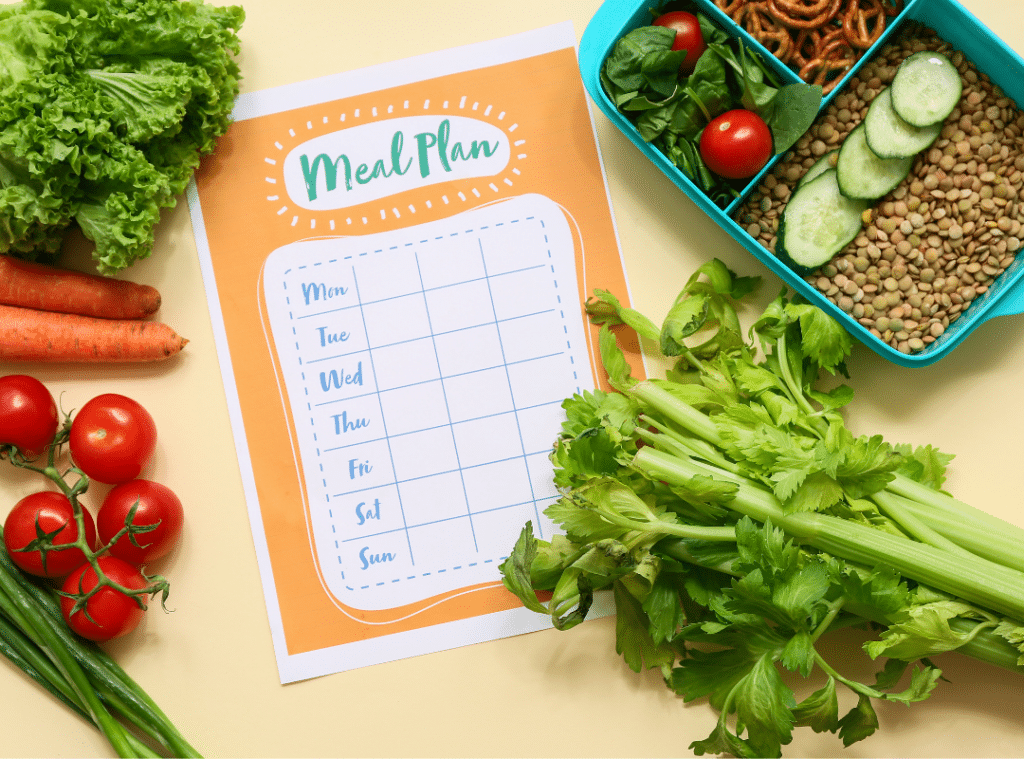
A Simple Meal Planning Table for Women Over 50
A simple meal planning table can make daily nutrition easier to see and repeat. This format can also help families notice where meals feel balanced and where support may be needed.
| Meal Time | Main Goal | Helpful Meal Ideas | Family Care Tip |
| Breakfast | Start the day with steady energy | Protein, fruit, whole grains, and fluids | Watch for skipped breakfasts or low appetite |
| Midday Meal | Support strength and routine | Protein, vegetables, grains, and a drink | Keep meals familiar and easy to enjoy |
| Dinner | End the day with balanced nourishment | Protein, vegetables, and a simple side | Choose calm, consistent mealtimes when possible |
| Snacks | Fill gaps between meals | Fruit, yogurt, crackers, or other preferred snacks | Use snacks when full meals feel too large |
| Hydration | Support comfort and daily wellness | Water or preferred fluids | Offer fluids throughout the day, not only at meals |
This can also work as a printable-style meal planning format for families looking for a simple 7-day meal plan for an elderly female loved one or a practical meal planning approach for women over 50.
The 3-3-3 Rule for Healthy Eating, Explained Simply
The 3-3-3 rule for healthy eating can be used as a simple reminder to create balance, variety, and consistency. It should not feel like a strict medical rule or a one-size-fits-all plan.
For heart-health questions, the NHLBI DASH Eating Plan describes DASH as a flexible and balanced eating plan that helps create a heart-healthy eating style for life. Families may use simple meal reminders to make daily choices easier while still asking a healthcare provider for personal guidance.
How Families Can Use Simple Meal Rules Without Overcomplicating Meals
Simple meal rules work best when they reduce stress. If a loved one is overwhelmed by food choices, a familiar routine can help meals feel more comfortable and predictable.
When Nutrition Support Becomes Part of Assisted Living Care
Nutrition support may become part of assisted living care when meals, appetite, medication timing, or daily routines become harder to manage alone. Families may notice skipped meals, forgotten snacks, low fluid intake, or uncertainty around what their loved one is eating each day.
ShadowTree Lodge supports Assisted Living, Medication Management, and Nutrition in Lapeer, MI. Families can also use a care assessment to think through whether a loved one may benefit from more daily support in a private setting with furnished private rooms, visiting physicians, pharmacy delivery, and a family room with a stone fireplace.
Supportive Nutrition and Daily Care at ShadowTree Lodge
Eating well after 50 is not only about following a meal plan. It is about having steady routines, thoughtful support, and a setting where daily care feels calm and manageable. For many families, that can bring relief when nutrition, medication routines, and everyday needs start to overlap.
To learn more about Assisted Living, Nutrition, and Medication Management in Lapeer, you can contact ShadowTree Lodge, call 810-660-7525, or ask about scheduling a tour. A conversation can help you better understand whether the community’s setting and support fit your loved one’s needs.
Frequently Asked Questions
What should a 50-year-old woman eat every day?
A 50-year-old woman should aim for balanced meals with protein, vegetables, fruits, whole grains, fluids, and snacks as needed. The goal is to support strength, energy, digestion, and daily wellness. Meals should be realistic and easy to maintain. Personal needs may vary, especially if medication routines or health concerns are involved.
What is the 3-3-3 rule for healthy eating?
The 3-3-3 rule for healthy eating is often used as a simple way to think about balance and routine. It can help families avoid overcomplicating meal planning. The idea is to make meals easier to structure, not to create a strict diet. Personal food needs should still be guided by individual comfort, appetite, and care needs.
What diet works best for women over 50?
The best diet for women over 50 is usually a balanced, steady eating pattern that supports strength, energy, hydration, digestion, and overall wellness. It should include protein, vegetables, fruits, whole grains, and fluids in a way that fits daily life. For many women, consistency matters more than following a rigid plan. Families should also consider appetite, routines, and care support.
What diet is best for high blood pressure?
A diet for high blood pressure should be discussed with a healthcare provider, especially if medication or other health concerns are involved. In general, families often focus on balanced meals, consistent routines, and food choices that support overall wellness. It is best to avoid making major dietary changes without guidance. Personal care needs, medication timing, and daily habits can all affect the right approach.